Top Free Marketing Tools for Small Business to Boost Your Success
“`html
Free Marketing Tools for Small Business: What Actually Works in 2026
Most small business owners get sold the same lie: you need a big ad budget to compete. Paid search, boosted posts, retargeting campaigns—it adds up fast, and the moment you stop paying, the traffic stops too. The truth is, the best free marketing tools for small business don’t just save money. They build something that compounds. Organic content, search visibility, email lists—assets you own. This guide breaks down what tools are worth your time in 2026, and how they fit into a real system for growth.
Si ya estás harto de gastar en ads sin ver retorno claro, esto es para ti.
Why Free Tools Only Work Inside a System
Here’s the thing nobody tells you: downloading twelve free tools and using them randomly is not a strategy. It’s digital clutter. A free keyword tool only matters if you’re publishing content. A free email platform only matters if you have something worth sending. The businesses that actually grow with zero ad spend do it because they’ve built a content marketing system—a connected loop where blogs attract search traffic, that traffic converts to email subscribers, and those subscribers become buyers.
That’s the pillar we work from at Social Peak Media. If you want the full framework, read our guide on our content system b2b pillar“>building a Content Marketing System to replace paid ads with organic blogs. Everything below plugs into that system.
Free Tools for Building Your Online Foundation
Before any content strategy works, people need to find you. That starts with three things: a functional website, local search presence, and a fast-loading experience on mobile. Over 90% of internet users access the web via mobile devices—if your site breaks on a phone, you’ve already lost the lead.
- WordPress.org — Still the most flexible free CMS available. You’ll pay for hosting (usually $5–$15/month), but the platform itself is free. Full control over SEO, structure, and content ownership. No vendor lock-in.
- Wix Free Plan — Easier to launch quickly. Good for service businesses that need a simple site up fast. Less customizable long-term, but it works.
- Google Business Profile — Non-negotiable if you serve a local market. Free to claim, and it puts you directly on Google Search and Maps. Update your hours, collect reviews, post updates. Most small businesses underuse this entirely.
Pick one and commit. The goal isn’t a perfect website—it’s a credible home base for your content.
Free SEO and Content Research Tools
Content without keyword research is a guess. These tools help you write what your buyers are already searching for—which is the whole point of organic traffic.
- Google Search Console — Free, and frankly underrated. Shows you exactly which queries are driving impressions and clicks to your site. In 2026, with AI Overviews reshaping search results pages, Search Console data is more important than ever for understanding what’s still driving clicks.
- Ubersuggest (Free Tier) — Neil Patel’s tool gives you keyword volume, difficulty scores, and content ideas. The free version has daily limits but covers most small business research needs.
- AnswerThePublic (Free Searches) — Visualizes the questions people ask around any topic. Excellent for finding blog post angles that match real buyer intent.
- Google Trends — Completely free, no account needed. Use it to validate whether a topic is growing or dying before you invest time writing about it.
The workflow: find a keyword your buyers search, validate demand in Trends, check difficulty in Ubersuggest, and use AnswerThePublic to find the angle. Then write the post. That’s a system, not a guess.
Free Content Creation and Design Tools
You don’t need a design team. What you need is consistency—visual identity that looks intentional, not like a student project.
- Canva Free Plan — The standard for small business design. Blog headers, social graphics, pitch decks, email banners. Templates are solid, the brand kit feature (now partially paid) still gives free users enough to work with.
- Google Docs — Obvious, but worth stating: it’s free collaborative writing software with version history and easy sharing. Your editorial calendar can live in Google Sheets next to it.
- Hemingway Editor (Web Version) — Free in-browser tool that scores your writing for readability. For B2B content targeting CMOs and founders, clarity beats cleverness every time.
- Loom Free Plan — Record short explainer videos or personalized outreach videos. The free tier covers most solo operators. Video content is increasingly indexed by Google in 2026—don’t ignore it.
Free Email Marketing Tools
Email is still the highest-ROI channel available to small businesses. The list you build is yours—no algorithm can throttle it, no platform can take it away. Start building it day one.
- Mailchimp Free Plan — Up to 500 contacts and 1,000 sends/month. Basic automation included. Good enough to start. The UI has gotten bloated, but for simple newsletters and welcome sequences, it works.
- Brevo (formerly Sendinblue) Free Plan — 300 emails/day, unlimited contacts. More generous contact limit than Mailchimp. Good deliverability. Worth considering if your list grows fast.
- Kit (formerly ConvertKit) Free Plan — Built for creators and small publishers. Cleaner automation logic than Mailchimp. Free up to 10,000 subscribers with some feature limits. Strong choice if content is central to your model.
Pick one. Connect a signup form to your blog. Every post you publish should have a reason for someone to give you their email—a lead magnet, a content upgrade, a free audit offer. That’s how content converts.
Free Social Media Management Tools
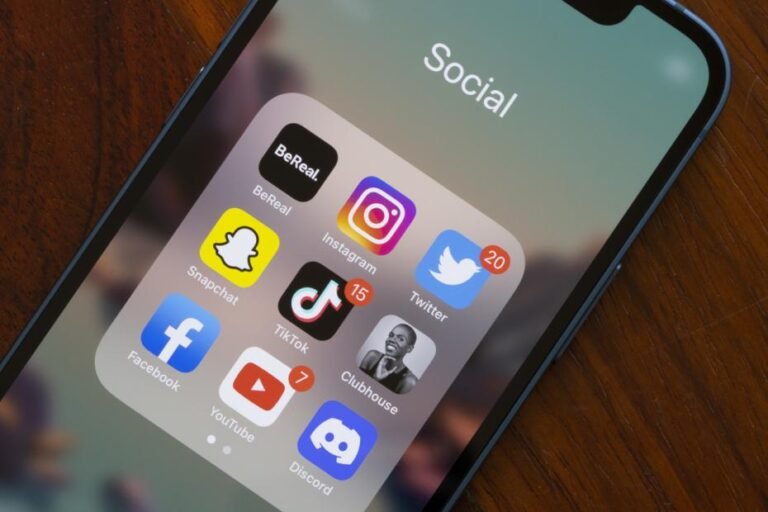
Social media is distribution, not strategy. A lot of small businesses invert this—they spend all their time on Instagram and never build anything they own. Use social to amplify content that lives on your site, then drive people back to your email list or blog.
- Buffer Free Plan — Schedule up to 10 posts across 3 channels. Clean interface, good analytics on the free tier. Enough for a small operation publishing consistently.
- Meta Business Suite — Free scheduler and analytics for Facebook and Instagram. If those platforms are relevant to your audience, there’s no reason to pay a third-party tool for them.
- LinkedIn Native Scheduling — For B2B businesses, LinkedIn organic reach in 2026 still outperforms most platforms. The native scheduler is free and reliable. Post your blog insights there directly.
Free Analytics Tools
You can’t improve what you don’t measure. These two tools cover most of what a small business needs to understand what’s working.
- Google Analytics 4 — Free, and the industry standard. Tracks traffic sources, user behavior, conversions. The GA4 interface has a learning curve, but once you set up basic events and goals, you’ll have clarity on which content drives actual leads.
- Microsoft Clarity — Free heatmap and session recording tool. Shows you where users click, scroll, and drop off on your pages. Pairs well with GA4. Genuinely useful for improving blog conversion rates.
How These Tools Work Together in 2026
Let’s be direct. The small businesses winning with organic in 2026 aren’t winning because they found a clever tool. They’re winning because they publish consistently, they write for specific buyers, and they have a system where each piece of content feeds the next action—subscribe, contact, buy.
The stack looks like this: WordPress hosts your content. Google Search Console + Ubersuggest guides your topics. Canva makes it look credible. Kit or Mailchimp captures leads. Buffer distributes the work. GA4 + Clarity tells you what’s landing. Everything points back to your blog and your list—assets you own, not rented attention.
Eso es el sistema, sin chamullo.
If you’re still running paid ads as your primary growth channel and wondering why the economics feel impossible, the answer isn’t a better ad. It’s a better foundation. our content system b2b pillar“>Our content marketing system guide walks you through how to build it from scratch—including how to replace ad spend with organic traffic that compounds over time.
Start With One Tool, Not Twelve
The most common mistake: downloading every free tool on this list and setting them all up in a weekend. Don’t. Start with your website and Google Business Profile. Add Search Console the day you publish your first post. Add an email tool when you have something to offer. Build the system in layers, not all at once.
The free marketing tools for small business that actually move the needle aren’t magic—they’re infrastructure. Build yours deliberately, and the compounding starts sooner than you think.
Ready to stop depending on paid ads? our content system b2b pillar“>Read the full Content Marketing System guide and see how Social Peak Media helps B2B brands build organic growth engines that work without a monthly ad budget. Or reach out directly—we’ll tell you honestly whether content is the right move for your business right now.
Written by Jose Villalobos, Social Peak Media
“`