Mastering TikTok Ads: Budget-Friendly Strategies for Success
“`html
TikTok Ads Budget-Friendly Strategies That Actually Move the CAC Needle
By Jose Villalobos
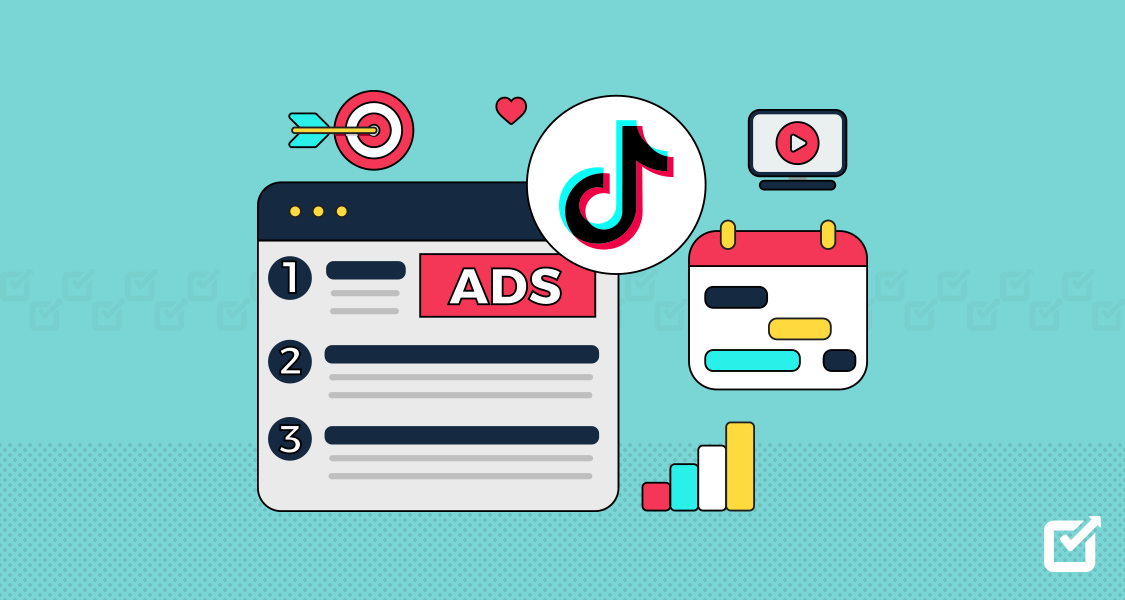
Most CMOs who come to us have the same complaint: paid social is eating their budget and they have nothing to show for it. TikTok gets lumped in with the problem. But here’s the reality — TikTok’s ad platform is structurally different from Meta or Google, and when you understand that difference, TikTok ads budget-friendly strategies stop being a contradiction in terms and start becoming a genuine CAC reduction lever.
The brands winning on TikTok in 2026 aren’t outspending competitors. They’re out-creating them. That shift — from budget dominance to creative efficiency — is exactly what this guide is about.
If you’re already thinking about how paid and organic play together to lower acquisition costs, good. This post lives inside a bigger conversation we’re having about Organic vs. Paid: CAC Reduction Through Content. Keep that frame in mind as you read.
Who Actually Should Be Running TikTok Ads Right Now?
Short answer: more of you than are currently doing it. TikTok’s self-serve ad platform is open to e-commerce brands, SaaS companies, local service providers, app developers, and B2B companies testing demand gen outside LinkedIn’s brutal CPCs.
The common objection from founders and CMOs is “our audience isn’t on TikTok.” That was a reasonable take in 2020. In 2026, TikTok has over 2 billion monthly active users globally, with rapidly growing 25–44 demographic penetration. Decision-makers are there. Buyers are there. The question isn’t whether your audience exists on the platform — it’s whether your creative respects the platform enough to earn their attention.
TikTok is not Instagram with vertical video. Content that feels like an ad gets scrolled. Content that feels native — fast, direct, occasionally imperfect, always specific — gets watched. That distinction is the foundation of every budget-friendly strategy we’re about to cover.
Understanding TikTok’s Budget Requirements (Sin Rodeos)
Before strategy, logistics. Here’s how TikTok structures ad spend so you’re not surprised when you open Ads Manager for the first time.
- Campaign-level minimum daily budget: $50. This is the floor for the overall campaign.
- Ad group-level minimum daily budget: $20. Individual ad groups can run lean, which gives you meaningful testing flexibility without blowing the whole budget on one audience.
- Lifetime budgets: Available as an alternative to daily budgets, useful for time-boxed promotions or product launches where you want TikTok’s algorithm to optimize spend across a defined window.
- Cost transparency: TikTok Ads Manager gives you clear breakdowns of spend by ad group, creative, and objective — which matters enormously when you’re optimizing for efficiency, not just volume.
The $50 campaign minimum sounds like a barrier. It isn’t. Run one campaign, two ad groups at $20 each — that’s $40/day to generate real performance data. Most brands waste more than that on poorly targeted LinkedIn campaigns before lunch. The structure rewards discipline.
The Core TikTok Ads Budget-Friendly Strategy: Creative as Media
Here’s the perspective most paid media guides skip: on TikTok, your creative IS your targeting. The algorithm distributes content based on engagement signals, not just the demographic parameters you set. A video that hooks the right audience in the first two seconds will find more of that audience organically, even within a paid campaign. That means a strong creative asset does double duty — it performs as an ad and teaches the algorithm who to find.
This is the bridge between organic and paid that CMOs should be paying attention to. When you invest in content quality rather than just bid strategy, you’re compressing CAC because the same asset works harder per dollar spent. Sin chamullo — it’s not magic, it’s leverage.
Practically, this means:
- Test your ad creative as organic posts before putting paid dollars behind it. High organic engagement is a leading indicator of paid performance.
- Hook in the first 1.5 seconds. Not a logo, not a brand line — a specific tension, question, or visual surprise that stops the scroll.
- Keep videos between 15–30 seconds for most objectives. Longer can work for retargeting or educational content, but short wins for cold audiences.
- Use on-screen text. A significant portion of TikTok is watched on mute. Your message should land without audio.
- Show the product or outcome within the first three seconds. TikTok users are not waiting for your reveal.
Ad Formats That Stretch a Small Budget
Not all TikTok ad formats are created equal for budget-conscious advertisers. Here’s an honest breakdown of what actually makes sense when you’re managing spend carefully.
In-Feed Ads
These appear in the For You Page feed and are the workhorse format for most advertisers. They support click-through to landing pages, app downloads, or lead forms. For budget-friendly campaigns, In-Feed Ads offer the best combination of reach, targeting control, and cost efficiency. Start here.
Spark Ads
This is one of TikTok’s most underused formats for lean budgets. Spark Ads let you boost existing organic posts — yours or a creator’s (with permission) — as paid content. The engagement stays on the original post, which builds social proof over time. If you already have organic content performing well, Spark Ads are essentially a multiplier with minimal incremental creative cost. Claro, this assumes you’re already producing organic content — which you should be.
TikTok Creator Marketplace Collaborations
Micro and mid-tier creators (10K–500K followers) consistently outperform top-tier influencers on cost-per-engagement for niche audiences. In 2026, TikTok’s Creator Marketplace has matured significantly, with better analytics and clearer performance benchmarks. A well-matched creator collaboration at $500–$2,000 can generate content that functions as both an organic post and a Spark Ad creative, stretching your production dollar considerably.
TopView and Brand Takeover
These premium formats exist. They also start at thousands of dollars per day. Skip them until you’ve validated your creative and audience assumptions at scale. There’s no budget-friendly case for TopView when you haven’t proven what converts yet.
Audience Targeting Without Wasting Budget
Over-targeting is a real problem on TikTok. Narrow audiences restrict the algorithm’s ability to optimize, which drives up CPMs and kills efficiency. Here’s how to find the balance.
- Start broader than you think you should. TikTok’s algorithm is genuinely good at finding relevant users within a broad defined audience. Let it work. A 2M+ audience size at the ad group level gives the system room to optimize.
- Use interest + behavior combinations, not just demographics. Age and gender targeting alone is blunt. Layer in behavioral signals — users who have engaged with similar content categories recently.
- Build Custom Audiences from existing data. Upload your customer list, retarget website visitors via TikTok Pixel, or create lookalikes from your highest-LTV customers. These audiences convert at lower CPA because the intent signal is stronger.
- Exclude past converters from cold campaigns. Sounds obvious. A surprising number of advertisers skip this and pay to acquire people who already bought.
The Organic-Paid Flywheel: Where Budget Efficiency Actually Compounds
This is the part most paid media guides don’t tell you, because most paid media guides are written by people who only think about paid media.
The lowest CAC TikTok strategy in 2026 is not a pure paid play. It’s a flywheel: organic content builds audience and algorithmic trust → top-performing organic posts get amplified via Spark Ads → paid campaigns are informed by organic engagement data → creative learnings feed back into organic production. Each rotation makes the next one cheaper.
Brands that treat TikTok as a pure paid channel are competing entirely on budget. Brands that build the flywheel are competing on compounding returns. The difference in blended CAC over 12 months is significant.
We break down the full strategic framework — including how to calculate when paid should supplement organic versus lead — in our pillar piece on Organic vs. Paid: CAC Reduction Through Content. If you’re making budget allocation decisions, that’s a necessary read.
2026 Platform Changes You Should Factor In
TikTok’s ad platform has evolved considerably. A few developments that directly affect budget-friendly strategy this year:
- TikTok Shop integration with ads: For e-commerce brands, in-app purchase functionality has reduced friction significantly. Campaigns tied to TikTok Shop product listings are showing lower CPAs than link-out campaigns in most categories — worth testing if you sell physical products.
- AI-powered Smart Performance Campaigns: TikTok’s automated campaign type has improved. For advertisers without dedicated paid media teams, Smart Performance Campaigns can deliver competitive results with minimal manual optimization. Not a replacement for strategic thinking, but a legitimate starting point.
- Expanded B2B targeting signals: TikTok has expanded professional interest and industry-based targeting, making the platform increasingly viable for B2B demand generation — particularly for brands targeting marketing, tech, and finance decision-makers.
Three Moves to Make This Week
If you’re starting from zero or optimizing an underperforming TikTok ad account, prioritize in this order:
- Audit your organic before spending more on paid. If your organic TikTok content isn’t generating any engagement, your paid creative will fail too. Fix the content problem first.
- Install the TikTok Pixel and build your Custom Audiences. You cannot run efficient retargeting or build quality lookalikes without this. It should have been done already.
- Run one Spark Ad campaign on your single best-performing organic post. Set a $20/day ad group budget, broad audience, seven-day window. The data you get back is more valuable than the conversions at this stage.
TikTok ads budget-friendly strategies aren’t about finding loopholes or hacks. They’re about understanding the platform’s actual mechanics — creative-as-targeting, the organic-paid flywheel, format selection discipline — and allocating accordingly. That’s the work. It’s also how you show up to the CAC conversation with real numbers instead of excuses.
Want to map out where TikTok fits in your broader content-to-revenue architecture? Talk to the Social Peak Media team — we work with CMOs and founders to build content strategies where organic and paid aren’t competing for budget, they’re compounding it.
“`