How to Get Started in Affiliate Marketing in 2024 (Simple Steps)
“`html
How to Get Started Affiliate Marketing in 2026 (Without Burning Budget on Ads)
Most founders and CMOs discover affiliate marketing the same way: they’re tired of watching paid ad spend evaporate with nothing to show for it. They want revenue that compounds. They want channels that work while they sleep. Affiliate marketing, done right, is exactly that—but most guides skip the part where strategy actually matters.
This isn’t a glossy overview. It’s a practical breakdown of how to get started affiliate marketing in a way that fits inside a larger organic content system—one designed to replace, or at least seriously reduce, your dependence on paid traffic.
If you’re building that kind of system from scratch, our our content system b2b pillar“>Content Marketing System: Replace Paid Ads with Organic Blogs pillar is worth reading alongside this. Affiliate marketing doesn’t live in a vacuum. It lives inside your content.
What Affiliate Marketing Actually Is (Sans el Rollo)
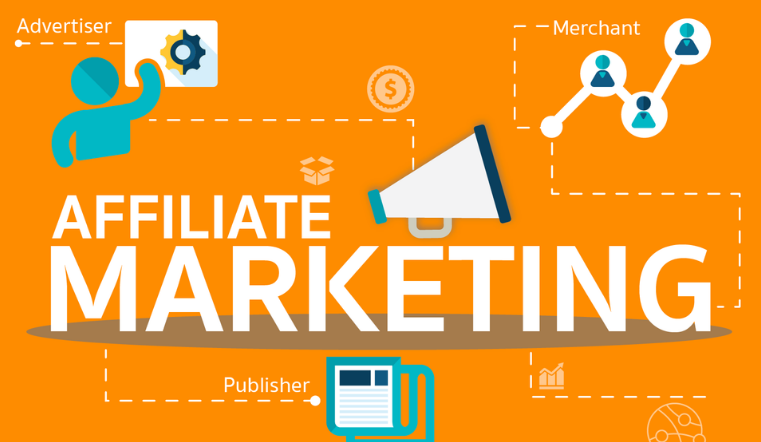
Affiliate marketing is performance-based. You promote someone else’s product or service using a unique tracking link. When a reader clicks that link and buys, you earn a commission. No sale, no pay. That’s the deal—and it’s why businesses love it. They only pay for results.
For content creators, bloggers, and B2B publishers, it’s one of the cleanest monetization models available. You’re not selling ad space. You’re recommending products you (ideally) already use or understand deeply, and earning a cut when your audience acts on that recommendation.
The mechanics are simple:
- You join an affiliate program (Amazon Associates, ShareASale, Impact, CJ Affiliate, or a brand’s in-house program)
- You receive a unique tracking link for each product
- You publish content that naturally incorporates those links
- The program tracks clicks and purchases attributed to your link
- You get paid a commission—anywhere from 3% to 50%+ depending on the product category
B2B SaaS programs, for context, often pay 20–30% recurring commissions. That’s not passive income as a fantasy. That’s real recurring revenue tied to content you wrote once.
Step 1: Pick a Niche That Has Both Audience and Commercial Intent
This is where most beginners make their first mistake. They pick a niche they love without checking whether that audience buys things. Passion is useful. Purchasing intent is non-negotiable.
A strong affiliate niche has three things working simultaneously: a defined audience with a specific problem, products or services that solve that problem at a meaningful price point, and enough search volume to drive organic traffic through content.
For CMOs and founders reading this—your niche is probably adjacent to your existing expertise. A B2B marketing consultancy, for example, is perfectly positioned to recommend CRM tools, email platforms, SEO software, or project management tools. You’re not starting from zero. You’re monetizing what you already know.
Run a quick competitive check: search your target keywords and see whether affiliate content ranks. If it does, there’s a market. If the top results are thin, listicle-style posts with no real depth, that’s your opening.
Step 2: Build (or Optimize) a Content Platform Before Anything Else
Affiliate links without traffic are decoration. Your content platform—whether that’s a blog, newsletter, YouTube channel, or LinkedIn presence—is the engine. The links are just the monetization layer on top.
In 2026, Google’s helpful content signals have matured significantly. Thin affiliate pages built purely to rank get filtered out fast. What performs is content that demonstrates genuine experience, specific recommendations backed by real use, and editorial judgment that goes beyond restating product descriptions.
This is the EEAT reality: Experience, Expertise, Authoritativeness, Trustworthiness. Google wants to know you’ve actually used what you’re recommending. Your readers do too. A “best project management tools” roundup written by someone who has run client projects on three different platforms will always outperform one written by someone who scraped feature lists.
If you’re starting fresh, a self-hosted WordPress blog is still the most flexible and SEO-capable option. Keep it clean, load fast, and make sure your affiliate disclosures are visible. The FTC requires disclosure. Your readers will respect transparency anyway—it builds trust faster than hiding the relationship does.
Step 3: Choose Affiliate Programs That Match Your Audience’s Buying Behavior
Not all programs are created equal. Commission rate matters, but so does cookie duration, average order value, and conversion rate on the merchant’s side. A 10% commission on a $20 product is $2. A 25% commission on a $500 annual SaaS subscription is $125—recurring, every year the customer stays.
Some starting points worth knowing:
- Amazon Associates: Low commissions (1–10%), but enormous product catalog and massive consumer trust. Good for physical products with high search volume.
- ShareASale and CJ Affiliate: Aggregator networks with thousands of brand programs across categories. Good for finding niche-specific programs.
- Impact and PartnerStack: Strong for B2B and SaaS affiliate programs. If you’re in the marketing, tech, or business space, start here.
- Direct brand programs: Many software companies run their own affiliate programs with better commission structures than network equivalents. Check the footer of any tool you already use.
Prioridad: relevance over commission rate. Promoting a tool your audience would never buy—just because it pays well—will destroy your credibility faster than it builds your revenue.
Step 4: Create Content Built Around Buyer Intent, Not Just Traffic
There’s a difference between content that gets clicks and content that converts. Most affiliate beginners chase volume. Smart affiliates chase intent.
Buyer-intent content is the stuff people search when they’re close to a decision. “Best CRM for small B2B teams,” “HubSpot vs. Pipedrive for agencies,” “[Tool name] review 2026″—these searches happen when someone is already in evaluation mode. They want to be helped toward a conclusion. Your job is to be the most credible, most helpful voice in that moment.
Compare that to informational content: “what is a CRM” gets traffic but rarely converts to affiliate sales directly. That content has value in building topical authority and audience, but don’t expect your affiliate commissions to come from the top of the funnel.
Map your content to intent:
- Comparison posts: [Tool A] vs. [Tool B]—your most reliable affiliate converters
- Review posts: Deep, experience-based reviews with pros, cons, and a clear recommendation
- Best-of roundups: “Best [category] tools for [specific audience]”—works when you can genuinely rank and differentiate the options
- Tutorial posts: “How to do X using [Tool]”—converts well when the tool is necessary to complete the task
Step 5: Drive Organic Traffic Through SEO—Not Paid Clicks
Paid traffic to affiliate content is a losing equation in most cases. You’re paying for clicks hoping enough of them convert at a commission rate that covers your ad spend plus profit. The margins rarely work, especially when you’re starting out.
Organic search is the play. It takes longer to build, claro, but every page that ranks is an asset. It brings traffic tomorrow and six months from now without additional spend.
The fundamentals in 2026 haven’t changed, but the bar is higher:
- Target long-tail keywords with commercial or transactional intent
- Write content that’s longer, more specific, and more experience-driven than what already ranks
- Build internal links between your affiliate content and your broader topical authority content
- Earn backlinks by being the best resource in your niche—not by chasing links for their own sake
- Update your content regularly with current pricing, product changes, and fresh firsthand experience
This is where affiliate marketing and content marketing stop being separate disciplines. Your affiliate content is your content marketing. The better your organic content system, the better your affiliate income.
What Most Guides Don’t Tell You About EEAT in 2026
Google’s 2024–2026 algorithm updates have been brutal on thin affiliate sites. Sites with no clear authorship, no demonstrated expertise, and no original perspective have lost rankings across the board. What’s survived—and grown—is content attached to real people with real credentials and real opinions.
That means your author bio matters. Your about page matters. Whether your name is attached to other credible content on the web matters. If you’re a founder or CMO building this into your company’s content strategy, use your real name, link to your LinkedIn, mention your direct experience with the products you’re recommending.
This isn’t optional anymore. It’s table stakes.
The Realistic Timeline (Because You Deserve Honesty)
Affiliate marketing is not fast money. A new affiliate blog typically takes 6–12 months to build enough organic traffic to generate meaningful commission income. B2B niches with higher-value products can compress that timeline in terms of revenue per visitor, but the SEO build time is real regardless.
What you can control: consistency of publishing, quality of content, specificity of your niche targeting, and how well you build topical authority over time. Those levers are yours. The algorithm timeline is not.
Founders and CMOs who approach affiliate marketing as a content channel—not a get-rich-quick shortcut—are the ones who build something durable. Six months of consistent, high-quality content in a focused niche compounds. Six months of sporadic, low-depth posts does not.
Start Here, Then Build the System Around It
Getting started with affiliate marketing comes down to five moves: pick a niche with purchasing intent, build a content platform you control, join affiliate programs that match your audience, create content mapped to buyer intent, and drive organic traffic through SEO. That’s the sequence.
But affiliate marketing alone isn’t a content strategy. It’s a monetization layer. The real leverage comes when it sits inside a broader organic content system—one that builds authority, earns trust, and reduces your dependence on paid channels month over month.
That’s exactly what we help B2B brands build. If you’re ready to replace paid ad dependency with an organic content engine that generates leads and affiliate revenue over time, our content system b2b pillar“>read our full Content Marketing System guide here—or reach out directly and let’s talk about what that looks like for your business.
Written by Jose Villalobos, Social Peak Media
“`