What Is Podcast Production? (Beginner’s Guide)
Podcast production can feel overwhelming if you’re new to the game. Simply put, podcast production encompasses everything involved in creating, recording, editing, and publishing a podcast. From generating ideas and scripting your episodes to mastering audio quality and distributing your content, each step plays a crucial role in producing a professional, engaging podcast that keeps listeners coming back.
In this guide, we’ll break down what is podcast production is into simple, manageable parts—perfect for beginners ready to kick off their podcasting journey.

What Is Podcast Production and What Does Include?
Podcast production includes several key elements:
Content Planning & Scripting
This step involves brainstorming episode ideas, outlining your talking points, and creating scripts or outlines. Good planning helps your podcast stay focused, informative, and engaging.
Recording
Choosing the right microphone, setting up a recording environment, and capturing audio are fundamental. Clear, high-quality audio makes your podcast enjoyable and professional.
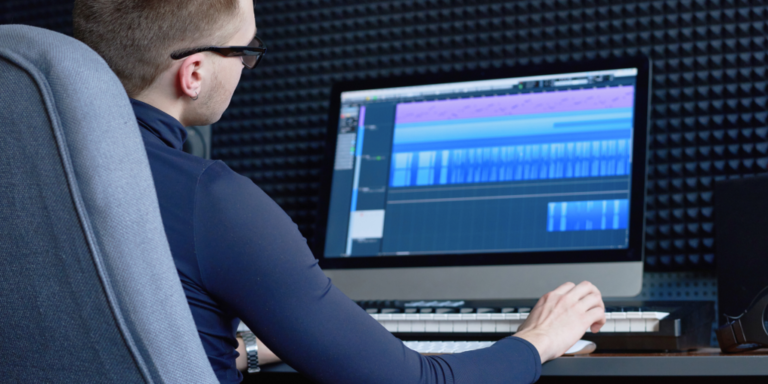
Editing
Editing refines your audio by removing mistakes, awkward silences, and background noises. It also involves adding music, sound effects, and balancing audio levels for a smooth listening experience.
Publishing & Distribution
After finalizing your episode, you’ll upload it to a hosting platform and distribute it to platforms like Spotify, Apple Podcasts, and Google Podcasts.
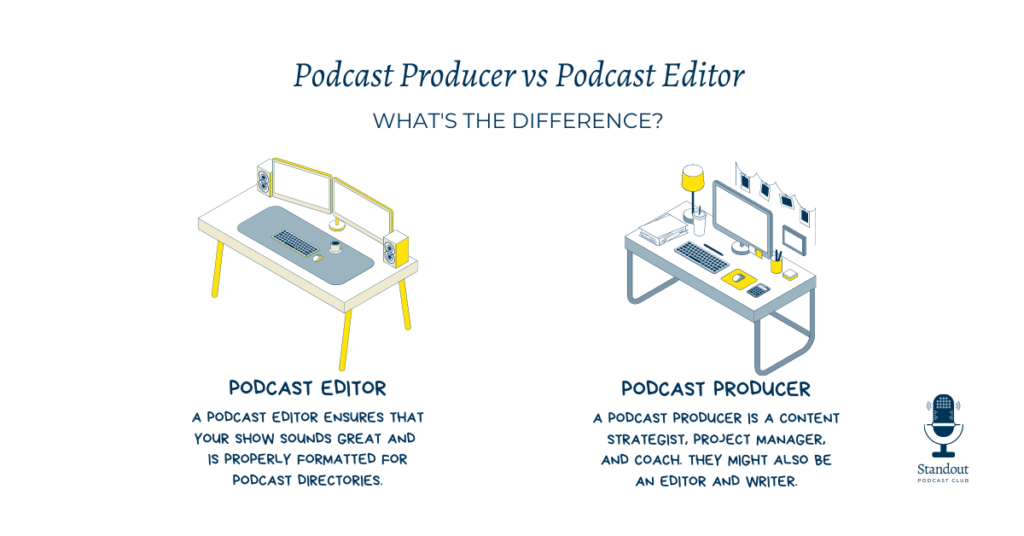
Podcast Production vs. Podcast Editing: What’s the Difference?
Many beginners confuse production and editing. Production covers the entire process of podcast creation, including ideation, scripting, recording, editing, and publishing. Editing, however, is just one (very important!) part of this process. Editing specifically involves refining the recorded audio and preparing it for publication.
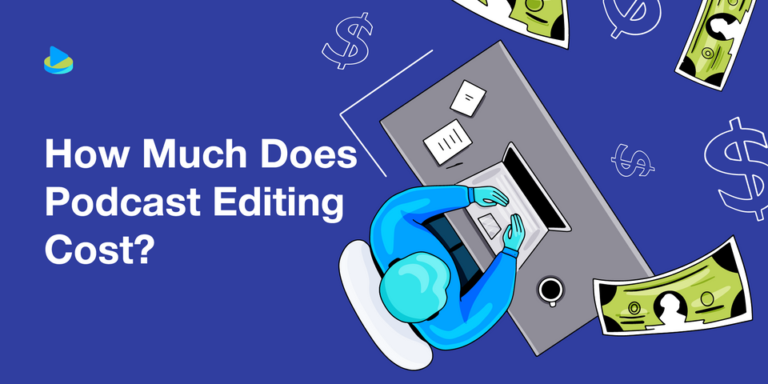
How Much Does Podcast Production Typically Cost?
Podcast production costs can vary significantly depending on several factors:
DIY Production Costs
If you handle everything yourself, initial costs mainly include equipment like microphones, headphones, and editing software. A basic setup can cost between $100-$500.
Professional Production Costs
Hiring a professional service like Social Peak Media can streamline your workflow and improve quality significantly. Professional podcast production services typically range from $500 to several thousand dollars per month, depending on complexity and frequency of episodes.
Can You Produce a Podcast Yourself?
Absolutely! Many successful podcasters started as DIY creators. To produce a podcast yourself, you’ll need:
- Basic equipment: microphone, headphones, recording software
- Time and patience to learn editing software
- A hosting service for distribution
DIY podcasting is a fantastic option for beginners who want to learn the process, though it can be time-intensive.

Benefits of Hiring a Podcast Production Company
While producing your podcast independently is possible, there are significant advantages to hiring professionals:
Saves Time
A professional company manages the time-consuming tasks, allowing you to focus on content creation.
Higher Quality Production
Professional equipment and expertise ensure your podcast maintains top-notch audio quality.
Expert Guidance
Companies like Social Peak Media offer guidance on content strategy, audience growth, and monetization.

Essential Podcast Production Tools for Beginners

To get started with podcast production, here are a few essential tools:
Microphones
- USB Mic (Budget-friendly): Blue Yeti, Audio-Technica ATR2100x
- XLR Mic (Pro-level): Shure SM7B, Rode Procaster
Headphones
- Sony MDR7506
- Audio-Technica ATH-M50x
Editing Software
- Free: Audacity, GarageBand
- Premium: Adobe Audition, Logic Pro X
Hosting Platforms
- Buzzsprout
- Podbean
- Anchor (free option)

Tips to Ensure Successful Podcast Production
To maximize your podcast’s potential, consider these tips:
Consistency Matters
Regular publishing schedules build trust with listeners and help grow your audience.
Quality Over Quantity
Focus on delivering valuable content that resonates with your audience rather than simply producing many episodes.
Listener Engagement
Encourage audience feedback and interactions to build a loyal community.
Ready to Produce Your First Podcast?
Podcast production doesn’t have to be intimidating. With careful planning, the right equipment, and perhaps some professional help, you can launch a podcast that resonates with your target audience.
At Social Peak Media, we specialize in podcast production services tailored to beginners and experienced podcasters alike. Contact us today to start your podcasting journey!
Disclosure: Our blog contains affiliate links to products. We may receive a commission for purchases made through these links. However, this does not impact our reviews and comparisons. We try our best to keep things fair and balanced, in order to help you make the best choice for you.