
Guest Blogging 101: How to Leverage Guest Posts to Grow Your Audience
“`html
Guest Blogging for SEO and Traffic: The Strategic Playbook CMOs Actually Need
Most companies treat guest blogging like a volume game. Pitch everywhere, publish anywhere, collect links. The result? A scattered backlink profile, zero topical relevance, and referral traffic that bounces faster than a cold email.
Done right, guest blogging for SEO and traffic is one of the highest-leverage moves in a B2B content strategy — especially when it’s tied to building topical authority rather than just chasing domain ratings. This guide covers both sides of the equation: placing your content on external sites and inviting contributors to yours. Either way, the strategic logic is the same.
Before we get into tactics, one grounding principle: guest blogging is a distribution layer, not a shortcut. It amplifies the authority you’ve already built. If your own site lacks topical depth, external placements won’t save you. (More on that in our SEO Fundamentals pillar.)
Why Guest Blogging Still Works in 2026 — and Why Most Brands Get It Wrong
Google’s Helpful Content updates through 2024 and 2025 hammered low-quality link networks and thin contributor posts. But the same updates rewarded well-placed, contextually relevant guest content from real subject matter experts. The signal hasn’t changed — the bar has just risen.
Here’s what the data continues to support: a high-quality backlink from a topically adjacent domain contributes meaningfully to ranking signals. Referral traffic from niche-specific publications converts at higher rates than social or display. And authorship on credible third-party platforms directly strengthens EEAT — the Experience, Expertise, Authoritativeness, and Trustworthiness criteria Google uses to evaluate content quality.
The brands getting this wrong are the ones treating guest posts as link deposits. The brands winning are treating every placement as a topical signal — one that reinforces their semantic authority cluster, not just their backlink count.
The Real Benefits of Guest Blogging (Without the Fluff)
- Backlinks with topical context: A link from a site that covers adjacent topics in your niche carries more semantic weight than a high-DA link from an unrelated domain. Context matters more now than raw authority scores.
- Audience overlap exposure: You’re reaching people who are already primed for your category but haven’t found you yet. Cold traffic that converts.
- EEAT reinforcement: Bylines on recognized industry publications build the author entity signal Google uses to evaluate credibility. Especially relevant for CMOs and founders building personal brand equity alongside company authority.
- Relationship equity: The editorial relationships you build through guest blogging compound. Today’s contributor becomes tomorrow’s podcast co-host, co-author, or referral partner.
- Content distribution leverage: A single well-placed guest post can drive qualified traffic for 18–36 months. The ROI math is different than paid.
Sin chamullo: the networking upside is one most content teams completely ignore. The editors at mid-size niche publications have disproportionate influence in their verticals. Getting in their good graces is worth more than the backlink itself.
How to Find the Right Guest Blogging Opportunities
Start with topical relevance, not DA. A DR 40 blog that publishes exclusively about B2B SaaS marketing is worth more to a SaaS CMO than a DR 70 generalist business blog. The former reinforces your topical authority cluster. The latter adds a link that Google increasingly treats as ambient noise.
Use these search operators to surface real opportunities:
- “[your niche] + write for us”
- “[your niche] + guest post guidelines”
- “[your niche] + contributor”
- “[competitor name] + guest post” — find where your competitors are placing content
Then run a quick editorial quality check. Does the site publish consistently? Do guest posts earn engagement — comments, shares, links? Is the editorial standard high enough that your byline there actually means something? If not, pass.
Tools like Ahrefs or Semrush let you reverse-engineer competitor backlink profiles. Filter for editorial links (not directories, not forum spam) and you’ll have a shortlist of qualified targets within an hour. That’s a better starting point than any curated “guest post sites” list you’ll find floating around.
Pitching and Writing Guest Posts That Actually Get Published
Editors at high-quality publications get pitched constantly. Most pitches are generic, self-serving, and immediately obvious as link-grab attempts. Yours shouldn’t be.
A strong pitch does three things: demonstrates you’ve read the site, proposes a specific angle that serves their audience (not yours), and signals that you have the expertise to back it up. One paragraph on why the topic matters to their readers. Two or three headline options. A link to one or two relevant samples. Done.
When you write the piece, the internal link back to your site should feel editorially natural — a resource that genuinely helps the reader, not a forced anchor-text placement. Google’s quality raters know the difference. So do editors. A single contextual link that makes sense is worth more than three awkward ones that get stripped in editorial review anyway.
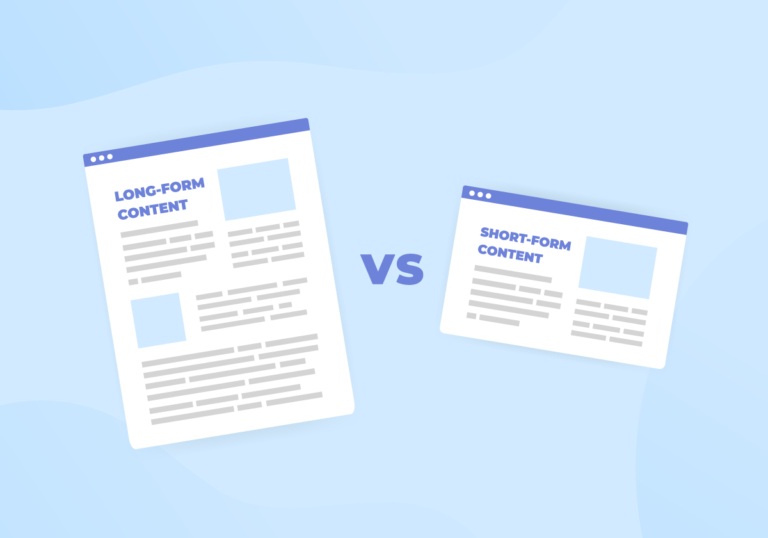
On format: match the host publication’s style. If they publish 1,200-word tactical posts, don’t submit a 3,000-word thought leadership essay. Fit the container. The goal is to get published and read, not to showcase your word count.
Accepting Guest Contributors to Your Own Site
The other side of this strategy — inviting contributors to write for you — has its own calculus. Done well, it adds topical depth to your site, reduces your content production load, and builds relationships with rising voices in your space. Done poorly, it creates a quality control nightmare and dilutes your site’s editorial authority.
The 2026 reality: Google is more aggressive about identifying and discounting low-quality contributor content on otherwise good sites. A mediocre guest post on your domain can drag down the perceived quality of surrounding content. Your contributor guidelines need to be strict, and your editorial review needs to be real.
Set clear expectations upfront:
- Topics must align with your existing content clusters — no off-topic submissions
- First-person experience or original data required, not rephrased common knowledge
- Self-promotional links limited to one, in the author bio only
- Full editorial rights to revise, update, or remove the post
The contributors worth having will respect these standards. The ones who push back on them are usually after a link, not a genuine publication. Claro.
Measuring What Actually Matters
Vanity metrics — number of placements, raw link count — tell you almost nothing about whether your guest blogging strategy is working. Here’s what to track instead:
- Referral traffic quality: Bounce rate, pages per session, and conversion rate from guest post referral URLs. Are these visitors engaging or bouncing?
- Topical authority movement: Are you ranking for more queries within your target topic cluster after a series of placements? Semrush’s Topic Research or Ahrefs’ organic keyword growth by cluster will show this.
- SERP position changes for target keywords: Guest blogging contributes to ranking improvements indirectly. Track your core keyword positions 60–90 days after a concentrated placement push.
- Brand search volume: A leading indicator that audience awareness is growing. Rising branded queries often follow successful external content campaigns.
If you’re placing five or more pieces per quarter, you should see measurable movement in at least two of these within 90 days. If you’re not, the issue is usually targeting — either the sites aren’t topically relevant enough, or the content isn’t strong enough to earn real readership.
Guest Blogging as a Topical Authority Play, Not a Link Play
The mental model shift that separates high-performing guest blogging programs from mediocre ones is simple: stop thinking about links and start thinking about entity signals. Every guest post is an opportunity to reinforce the semantic relationship between your brand, your authors, and your core topic area.
When your CMO or founder publishes consistently on three or four respected publications within your vertical — always covering topics that map to your core expertise — Google builds a more complete picture of what your brand actually knows. That’s topical authority in practice. It’s also what makes your own site’s content rank faster and hold rankings longer.
This is why guest blogging belongs inside your Semantic SEO and Topical Authority Framework, not in a separate “link building” silo. The two are inseparable if you’re doing it correctly.
Want to build the foundation that makes every guest post placement land harder? Start with the strategy layer — read our SEO Fundamentals pillar to understand how topical depth and entity authority work before you publish a single external piece.
Ready to build a guest blogging program that actually moves the needle? At Social Peak Media, we build content distribution strategies for B2B brands that compound over time — not just placements that inflate a backlink spreadsheet. Let’s talk about what that looks like for your brand.
— Jose Villalobos, Social Peak Media
“`