How the Role of Content Marketing Enhances Social Media Efforts
“`html
How Content Marketing Enhances Social Media Engagement (Without Paying for Every Click)
Most CMOs already know that organic reach on social media has been shrinking for years. The instinctive response? Spend more on ads. But there’s a compounding alternative that’s working better in 2026: using content marketing to fuel social media engagement from the ground up. No boosted posts. No retargeting budgets hemorrhaging money. Just content that earns attention because it’s actually worth reading.
This isn’t a feel-good theory. It’s a system. And understanding exactly how content marketing enhances social media engagement—mechanically, not metaphorically—is what separates brands that grow organically from those stuck on the paid-ads treadmill.
Why Social Media Alone Isn’t Enough Anymore
Social media posts have a half-life measured in hours. A tweet? Minutes. An Instagram post? Maybe a day of visibility before the algorithm buries it. That’s not a knock on social—it’s just the reality of how feeds work. If every post starts from zero, you’re constantly creating without compounding.
Content marketing changes that equation. A well-structured blog post, a substantive guide, a research-backed article—these assets keep working. They index on Google. They get bookmarked. They get shared months after publication. When you plug that kind of evergreen content into your social media strategy, you stop starting from zero.
The relationship is symbiotic: social media gives content immediate distribution and real-time feedback; content marketing gives social media something worth sharing that builds authority over time. One without the other is a missed opportunity. Together, they create a loop that compounds.
The Mechanics: How Content Marketing Enhances Social Media Engagement
Let’s get specific. Here’s what actually happens when you integrate content marketing into your social strategy—not in theory, but in practice.
1. High-Quality Content Gives People a Reason to Share
Generic social posts—tips, quotes, product announcements—generate passive scrolling at best. Content that solves a real problem? That gets shared. When a founder shares your article in a LinkedIn comment thread because it directly addresses a question someone asked, that’s earned distribution. You didn’t pay for it. Your content earned it by being genuinely useful.
According to the Content Marketing Institute’s 2025 B2B benchmarks report, brands that publish consistent educational content see 3x higher social sharing rates than brands focused primarily on promotional content. The content does the social work for you.
2. Content Creates Conversation Entry Points
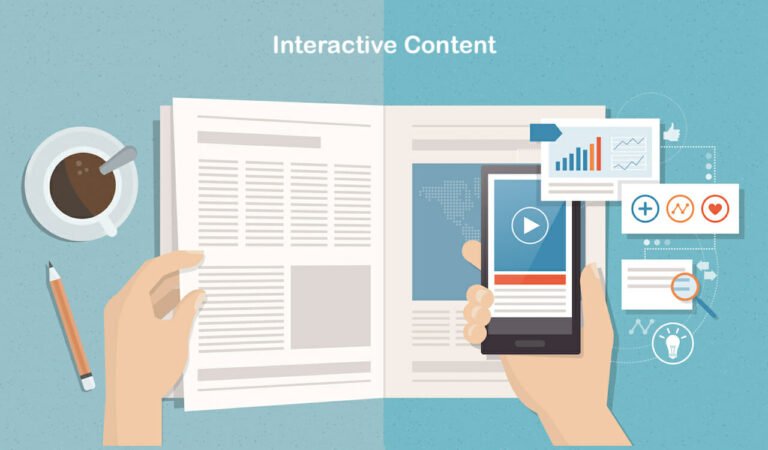
One of the trickiest parts of social media management is knowing what to say. Content marketing solves that. Every blog post, case study, or research piece becomes a conversation starter—not just a link drop. You can pull a counterintuitive stat for LinkedIn, a tactical tip for X, a behind-the-scenes angle for Instagram Stories. One piece of content, multiple formats, multiple conversations.
Claro: this only works if the content is substantial enough to mine. Thin, 400-word posts don’t give you much to work with. Comprehensive, perspective-driven content gives your social team raw material for weeks.
3. Content Builds the Audience Trust That Makes Engagement Possible
Engagement isn’t just likes and comments—it’s the behavior of an audience that trusts you enough to interact. That trust is built slowly, through consistent delivery of valuable content over time. When someone has read three of your articles and found real value in each one, they’re far more likely to comment on your LinkedIn post, share your newsletter, or reply to your question in an Instagram caption.
Sin chamullo: you can’t shortcut this. Paid reach can inflate impressions. It doesn’t build trust. Content marketing does, because it asks the audience to invest time—and rewards that investment with genuine insight.
4. SEO Traffic Feeds Your Social Proof
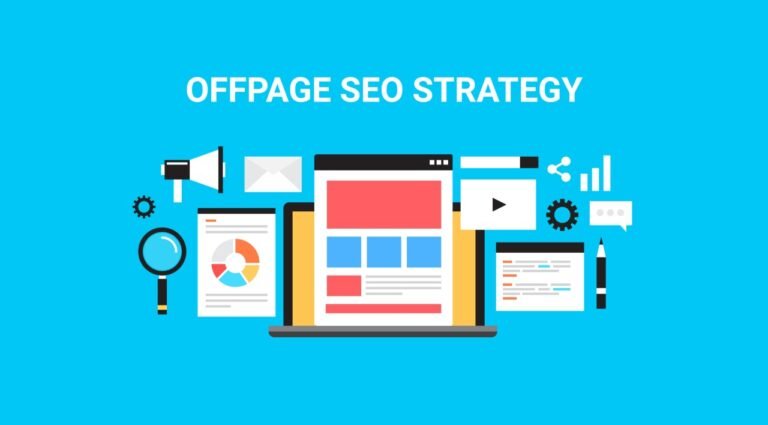
When your content ranks on Google, two things happen. First, you get inbound traffic that isn’t dependent on social algorithms. Second, you get social proof that makes your social presence more credible. High-traffic articles attract backlinks; backlinks attract more traffic; more traffic signals authority. When you then share that same content socially, you’re not sharing a blank post—you’re sharing something that already has traction.
This is why the content-social integration isn’t just additive. It’s multiplicative. Each channel reinforces the other’s credibility.
What Integration Actually Looks Like in 2026
The brands that are executing this well aren’t just “repurposing content.” That framing is too passive. They’re building a content system where every piece of long-form content is engineered from the start for social distribution.
Here’s what that looks like in practice:
- Audience-first topic selection: Before writing a word, answer this: what does your target buyer—CMO, founder, marketing director—actually need to know right now? What questions are they searching? What debates are they having in Slack? Build content around those specific problems, not around what you want to say.
- Platform-matched formats: LinkedIn rewards substantive, text-heavy insight. Instagram rewards visual and emotional storytelling. X rewards hot takes and sharp observations. Don’t post the same thing everywhere. Instead, use your core content as a hub and extract format-appropriate posts for each platform.
- Engagement as content research: The comments and DMs your social posts generate are a direct pipeline into your next content topics. If three people ask the same follow-up question on a LinkedIn post, that’s your next article. The social engagement loop improves the content; the better content improves the social engagement.
- Consistency over virality: Brands that show up with valuable content every week outperform brands that chase viral moments. Algorithms reward consistency. More importantly, audiences reward it with trust.
- Content calendars tied to business objectives: Every content theme should connect to a business goal—lead generation, category education, competitive differentiation, retention. This keeps social efforts from becoming activity for its own sake.
The 2026 Reality Check: AI Content Is Raising the Stakes
Here’s the uncomfortable truth for 2026: AI-generated content has flooded every channel. Buyers are more skeptical of generic content than at any point in the last decade. They can smell templated advice. They’re skipping articles that don’t have a clear editorial perspective.
This is actually good news for brands willing to invest in real content marketing. The noise floor has risen, which means genuine expertise and real perspective stand out more than ever. Your proprietary data, your client stories, your hard-won operational knowledge—that’s what content marketing in 2026 should be built on. Not recycled industry observations dressed up with different headers.
Google’s own quality rater guidelines have sharpened their emphasis on Experience, Expertise, Authoritativeness, and Trustworthiness (EEAT). Content that demonstrates real-world expertise—specific, opinionated, grounded in actual practice—ranks better and engages better. Both channels reward the same thing.
Where to Start If You’re Still Running on Paid Ads
If paid social has been your primary growth channel, the pivot to organic content marketing doesn’t have to be a cliff edge. Start by identifying your three highest-performing paid audiences and reverse-engineering what content would speak directly to their core problems. Build three cornerstone articles around those problems. Then build a 90-day social distribution plan that mines those articles for posts, questions, debates, and insights across your priority platforms.
Track engagement rate, not just reach. Measure social referral traffic to your site. Watch how organic search traffic grows over 6-12 months. The timeline is longer than paid ads. The ROI compounds in a way paid ads never will.
If you want a framework for building this kind of system from the ground up, the our content system b2b pillar“>Content Marketing System: Replace Paid Ads with Organic Blogs pillar walks through exactly how to structure it—from content architecture to distribution cadence to measuring what matters.
Content Marketing and Social Media: Better Together
The brands winning on social in 2026 aren’t winning because they’ve cracked the algorithm. They’re winning because they’ve built a content engine that gives their audience genuine reasons to engage—and keeps delivering those reasons consistently. Content marketing enhances social media engagement not because it’s a clever tactic, but because it addresses the root problem: most brands don’t have anything worth saying on social media because they haven’t done the work of creating something worth reading.
Fix the content. The engagement follows.
Ready to stop paying for attention and start earning it? At Social Peak Media, we build organic content systems for B2B brands that want compounding growth—not a monthly ad bill. Let’s talk about what that looks like for your business.
By Jose Villalobos, Social Peak Media
“`