Mastering Marketing Automation: Boost Efficiency While Keeping It Personal
Marketing Automation Efficiency and Personalization: How to Scale Without Losing the Human Touch
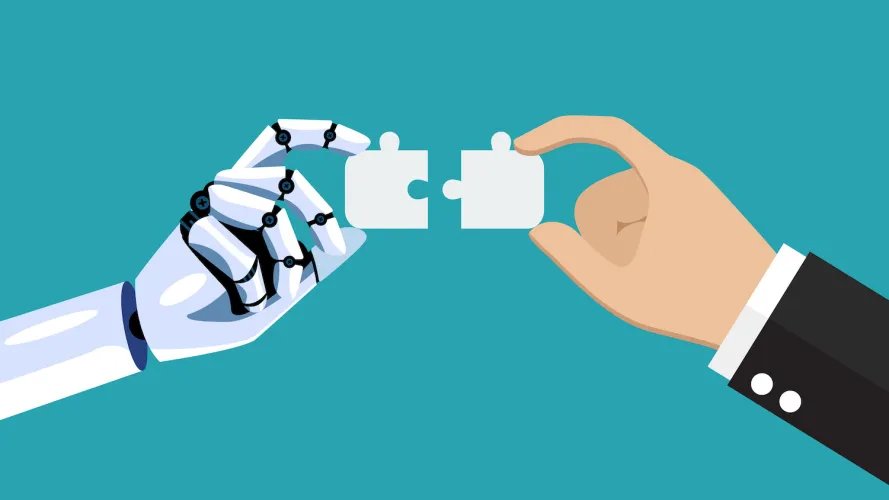
Most B2B teams automate to save time. That’s a fine starting point—but it’s not the goal. The real opportunity in marketing automation efficiency personalization is building systems that feel more human at scale, not less. If your sequences read like a bot wrote them at 2am, you’ve optimized the wrong thing.
By 2026, the CMOs winning organic pipeline aren’t the ones running the most automations. They’re the ones whose automated touchpoints feel like they came from someone who actually read the room. That’s the gap worth closing.
What Marketing Automation Actually Does (When Done Right)
Marketing automation uses AI and machine learning to handle repeatable tasks—email sequencing, lead scoring, social scheduling, campaign triggers—so your team can focus on strategy and creative thinking. Tools like HubSpot, Salesforce Marketing Cloud, and ActiveCampaign sit at the center of most B2B stacks for this reason.
But here’s the part most implementation guides skip: automation’s real value isn’t task elimination. It’s behavioral alignment. When you feed these tools clean customer data, they can surface the right message at the right moment—which is exactly what manual outreach fails to do at volume.
Netflix is the textbook example. Their recommendation engine doesn’t feel like automation—it feels like someone who knows you. That’s the standard worth chasing, whether you’re a SaaS company with 500 leads or an agency managing 12 client accounts.
The Personalization Problem Most Automation Creates
Over-automation is a real thing. And it’s more common than most marketing leaders want to admit. When you prioritize volume and velocity over relevance, you end up with sequences that technically work—open rates, click rates, delivered rates—but produce zero trust.
Buyers notice. Research from Salesforce consistently shows that the majority of B2B buyers expect companies to understand their needs and expectations. Generic drip sequences violate that expectation immediately. You get one chance to prove the email wasn’t mass-blasted—and most automations fail that test in the subject line.
The fix isn’t less automation. It’s smarter segmentation and tighter content inputs. A sequence is only as personal as the data and copy you build it on.
Four Ways to Run Marketing Automation Efficiency and Personalization Together
1. Segment by Behavior, Not Just Demographics
Demographic segmentation—industry, company size, job title—gets you to the right inbox. Behavioral segmentation gets you the response. Track what pages prospects visit, which emails they open, what content they download. Then trigger sequences based on those signals, not just where someone sits in a pipeline stage.
A founder who just read your pricing page three times in one week is not in the same conversation as someone who opened a top-of-funnel newsletter. Treating them the same way is where automation efficiency becomes automation inefficiency.
2. Write Templates That Don’t Sound Like Templates
This is a content problem, not a technology problem. The best automations run on copy that sounds like it came from a specific person with a specific point of view. That means:
- First-person voice with an actual name behind it
- References to real pain points your segment faces—not generic industry language
- Short sentences. Direct asks. No corporate filler.
- One clear next step per message, not three options and a paragraph of context
If you wouldn’t send it manually to a real prospect, don’t automate it. That’s the editorial standard your sequences need.
3. Build Human Checkpoints Into Automated Flows
Full automation from first touch to closed deal is a fantasy for most B2B buyers. The purchase involves trust, and trust requires human judgment at key moments. The smartest automation stacks know when to hand off.
Build triggers that flag high-intent behavior—multiple visits, content downloads, pricing page views—and route those leads to a sales rep or account manager for a direct, personal outreach. The automation does the qualification work. The human closes the trust gap. That’s the division of labor that actually converts.
4. Use AI for Content Personalization at the Block Level
Dynamic content blocks—where specific sections of an email or landing page change based on who’s viewing—are underused in most B2B stacks. By 2026, tools like HubSpot’s smart content, Marketo’s personalization engine, and even newer AI-native platforms allow you to swap headlines, case studies, CTAs, and testimonials based on segment, funnel stage, or past behavior.
This is where marketing automation efficiency and personalization stop being a tradeoff. You’re writing once, delivering many versions, each one calibrated to the reader. Eso es lo que queremos, claro.
Why This Connects to Your Organic Content Strategy
Here’s the connection most automation guides miss entirely: your automated sequences are only as good as the content assets behind them. If your nurture flow links to weak blog posts, generic case studies, or gated PDFs nobody wants—the automation fails, sin importar cuántos workflows tengas configured.
This is exactly why marketing automation efficiency and personalization belongs inside a larger content system, not as a standalone tactic. When you’ve built a library of high-quality organic content—articles that rank, educate, and build authority—your automation sequences have real assets to leverage. You can send a prospect a blog post that answers the exact question they’re wrestling with, at the exact moment they need it.
That’s not automation. That’s a conversation. And it’s what separates teams that get replies from teams that get unsubscribes.
If you want to understand how organic content powers this entire system, read our guide on the Content Marketing System: Replace Paid Ads with Organic Blogs. The automation layer is the distribution mechanism. Content is the substance that makes it work.
What Good Looks Like in 2026
The B2B marketing landscape heading into 2026 is moving fast in two directions at once: more automation capability, and more buyer skepticism about being automated. The teams that thread this needle share a few characteristics:
- They audit sequences quarterly—not just for performance metrics, but for tone and relevance. Does this still sound like us? Does it still match where the buyer is?
- They invest in content before they invest in automation tools. A CRM is a delivery mechanism. What it delivers determines results.
- They treat personalization as editorial strategy, not a merge tag. Inserting a first name is not personalization. Sending the right idea at the right time is.
- They measure trust signals—reply rates, meeting-booked rates, content engagement depth—not just open and click rates. Volume metrics lie. Conversation metrics tell the truth.
The Efficiency Trap (and How to Avoid It)
Efficiency is seductive. You save 10 hours a week automating your email sequences. Great. But if those sequences produce fewer qualified conversations than a sharp rep making 15 personal calls, you haven’t gained anything—you’ve just shifted where the inefficiency lives.
Real marketing automation efficiency comes from compounding. When your automated content nurtures leads over weeks and months, building familiarity and trust before a human ever steps in, your close rates improve. Your sales cycles shorten. Your cost per acquisition drops. That’s the compounding effect—and it’s driven entirely by how personal and relevant the automated touchpoints feel along the way.
Sin chamullo: the automation is the easy part. The hard part is making every automated message feel like it was worth someone’s time to read.
Start Here If You’re Building or Rebuilding Your Automation Stack
Before you add another tool or trigger another sequence, answer three questions honestly:
- Do you have enough quality content to send people to at each stage of the funnel?
- Are your segments specific enough that different audiences receive meaningfully different messages?
- Does your automation know when to hand off to a human—and does that handoff actually happen?
If any of those answers are no, fix the foundation before scaling the system. More automation on a weak content base just means more of the wrong thing, faster.
The goal is a marketing system where efficiency and personalization reinforce each other—where every automated touchpoint earns the next one, and where your brand feels more relevant to buyers over time, not less. That’s achievable. It just requires treating content as the engine and automation as the transmission, not the other way around.
Want to build that system? Explore how organic content replaces paid ads and powers sustainable B2B pipeline—and see how automation fits into a content-first growth model that compounds over time.
By Jose Villalobos, Social Peak Media