
The Ultimate Guide to Blog Writing for SEO, Branding, and Authority
Author’s note: This guide is designed to be your go-to resource for writing blogs that rank, build brand affinity, and establish authority.
Throughout the article, I’ll speak directly to you: sharing insights, data, and frameworks in a conversational tone. Feel free to jump to the headings that interest you most, but I’d encourage you to read through the entire guide to blog writing for SEO.
Foundations and Strategies for SEO-Driven Blog Writing

Why Blogging Still Matters in a Social-Media-Obsessed World
To some marketers, blogging might feel old-fashioned compared to TikTok dances or Instagram stories. Yet the data says otherwise. More than half of the world uses social media. According to Smart Insights (Feb 2025), 63.9% of the global population uses social media, and people spend an average of 2 hours and 21 minutes per day on these platforms.
At the same time, blog posts offer depth, context, and long-term discoverability that social content cannot match. Blogs host embedded videos, infographics, and interactive tools, and they remain searchable for months or years.
As zero-click SERP features evolve, blogs that build authority and relevance stand a better chance of being referenced or chosen for featured snippets. Blogging is not competing with social media. It is the foundation that supports every other marketing channel.
The Evolving Landscape of Blog Writing
From Keywords to Intents: How Search Has Matured

Early SEO relied on stuffing a target keyword into an article. Today, search engines interpret intent, synonyms, and entity relationships. Semantic SEO allows your content to cover all the questions people have around a topic.
This aligns with the Koray Tugberk Gubur framework, which emphasizes building topical authority through content networks and concept coverage. Google also prioritizes E-E-A-T: experience, expertise, authoritativeness, and trust.
Social Platforms and Blogs: Partners, Not Rivals

The rise of social media hasn’t diminished the value of blogs; it has amplified it. The 2025 social media trends report from SocialInsider highlights that people are craving authenticity, purpose-driven content, and even quieter spaces as “silent social platforms” emerge. Yet social platforms are inherently transient posts vanish down the feed within hours.
Blogs, on the other hand, serve as evergreen homes for your ideas. You can repurpose blog content into micro-videos, carousels, and stories while linking back to the original article to drive traffic and conversions.
This synergy is particularly potent when you consider that many consumers use social networks to discover products or brands. By maintaining an authoritative blog, you ensure that once users discover you on social media, they have a deep well of content to explore, building trust and moving them toward conversion.
Understanding SEO fundamentals
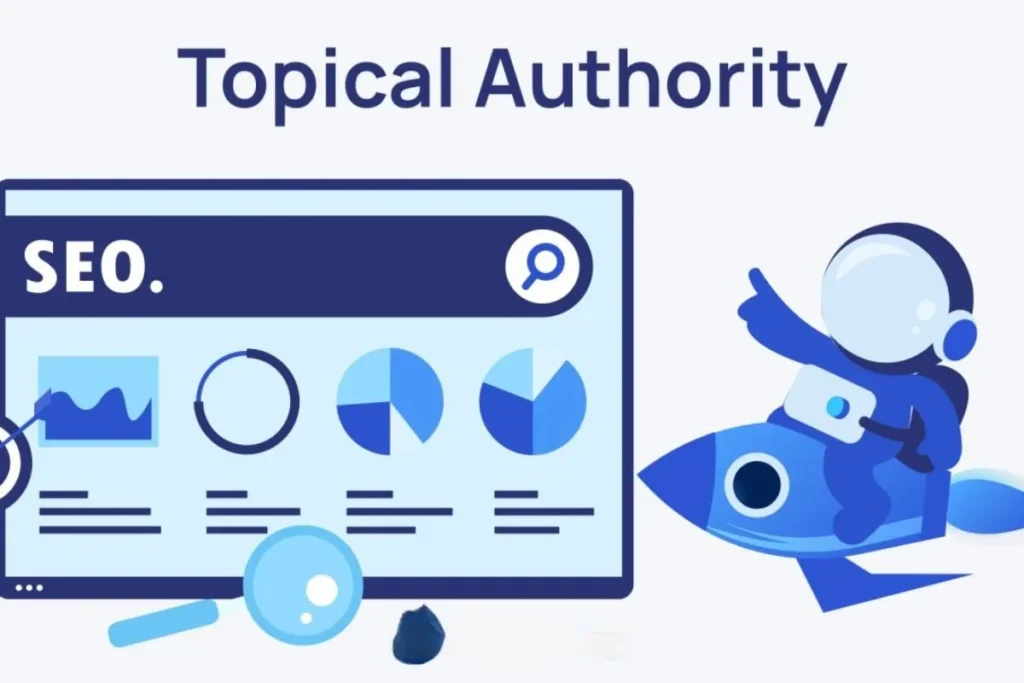
Keyword Research vs. Topical Authority
Map Search Intent
Search intent determines how you frame your content. Informational searches require education. Commercial investigation queries require comparisons or recommendations.
Build Semantic Clusters
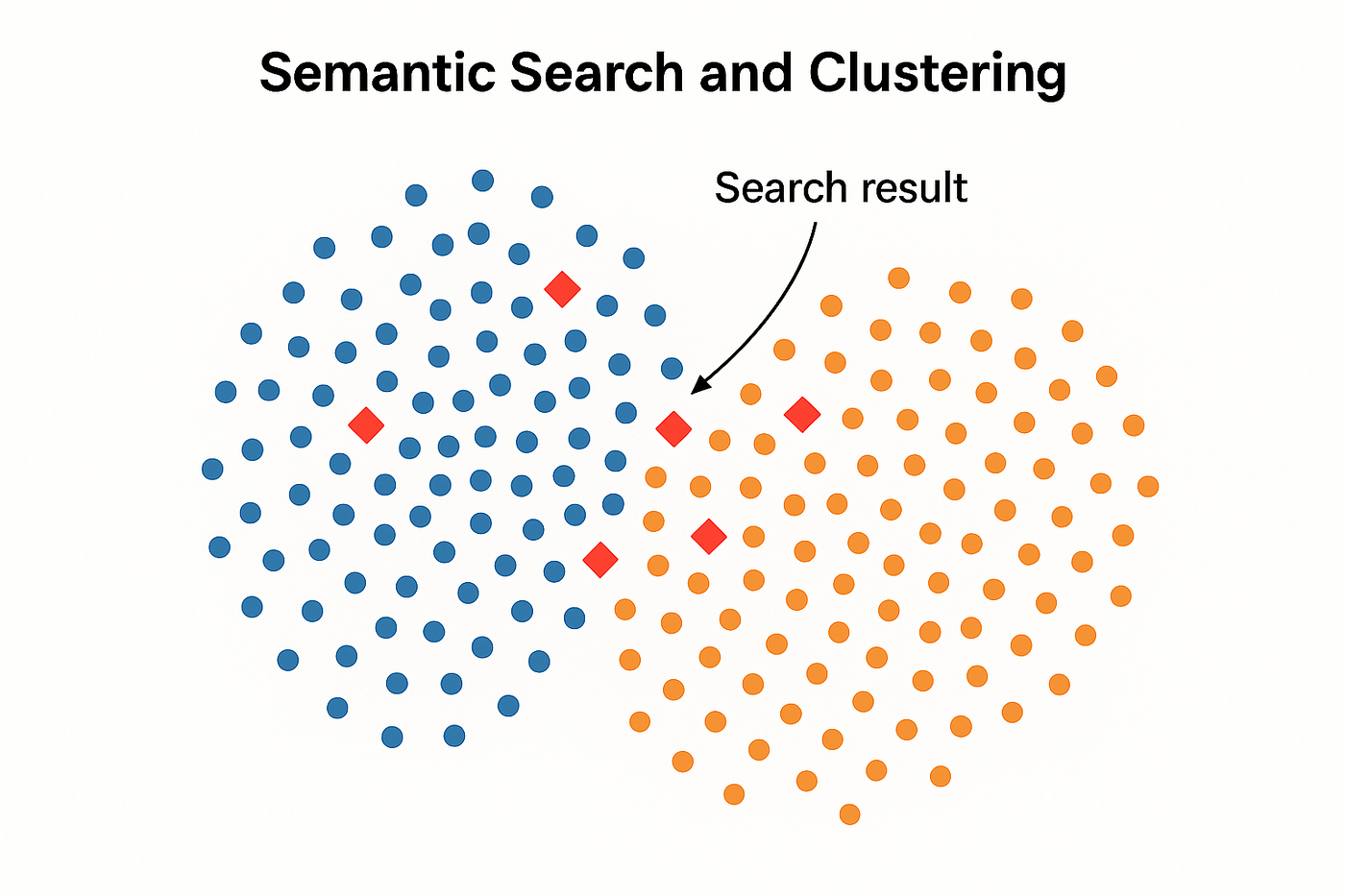
A pillar page supports multiple cluster articles. For example, a blog about SEO writing may also include:
• SEO content writing tips
• how to write blogs that rank
• blogging mistakes
• semantic SEO terms
• internal linking strategies
Once you have a keyword, brainstorm related questions, synonyms, and subtopics. For example, a blog about “blog writing for SEO” might also cover “how to write blog posts that rank,” “SEO content writing tips,” “blogging mistakes,” and “content pillars.”
Use tools like Google’s “People also ask,” competitor analyses, and your own expertise to create content clusters. Each cluster page covers a unique angle and links back to the central pillar page. The Koray Tugberk Gubur method encourages this networked approach. Search engines then understand that your site comprehensively covers the subject.
Optimize on-page elements
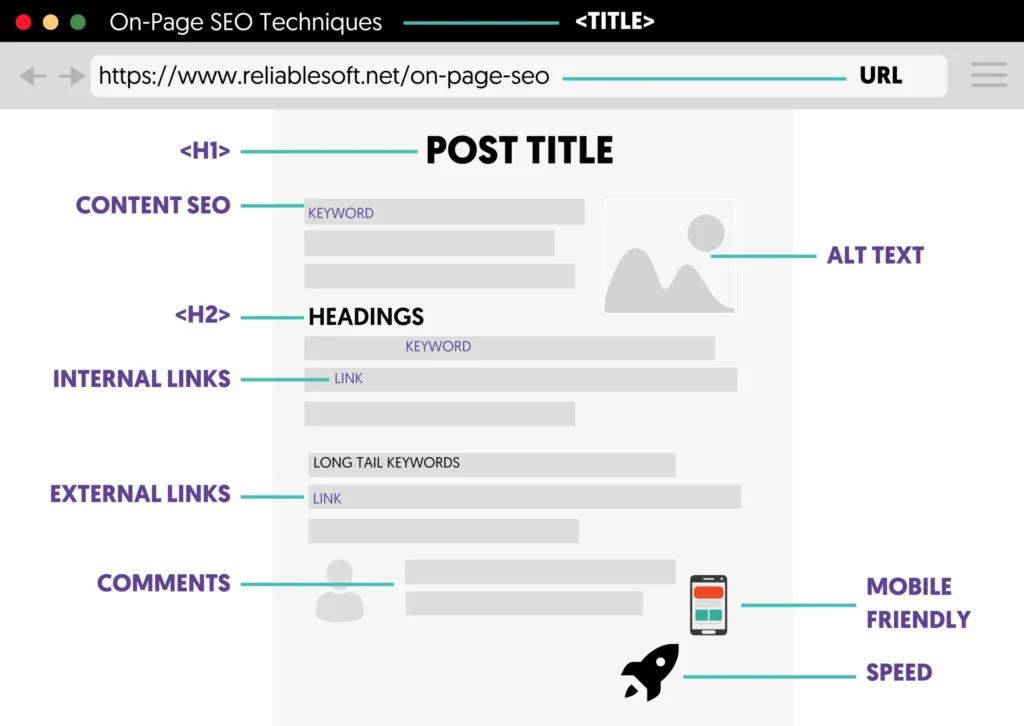
Even with semantic coverage, on-page SEO still matters. Follow these guidelines:
- Title tags and meta descriptions: keep titles under 60 characters and descriptions under 160 characters. Include your primary keyword and a clear value proposition.
- Headings (H1–H4): use a single H1 per page, followed by H2s for major sections, H3s for sub-sections, and H4s for granular details. This hierarchical structure aids both readers and search engines.
- Internal linking: link to relevant posts in your content cluster. Use descriptive anchor text rather than generic phrases like “click here.”
- Alt text and captions: describe images succinctly with keywords and context. Screen readers and search engines rely on alt text to understand visuals.
- URL structure: keep URLs concise, readable, and free of unnecessary parameters.
Building brand and authority through blogging
E-E-A-T and trust signals
Google’s emphasis on E-E-A-T means you need to showcase experience, expertise, authority, and trust. Here are ways to do that in your blog:
- Author bios: include a short biography for each author, highlighting credentials, experience, and personal touch. Link to professional profiles where appropriate.
- Citations and references: support statements with data. For example, citing Smart Insights’ report that 63.9 % of the world’s population uses social media and that 5.07 billion people are social media users adds credibility to a blog about digital marketing.
- Case studies and personal stories: share real-world examples of how you applied your strategies. Authentic stories build relatability and trust.
- Secure site (HTTPS): A secure website is a basic trust factor; it’s also a ranking signal.
Consistent Brand Voice

Your blog’s tone, style, and visual identity should match your brand. Consistency builds familiarity.
Align Content With Business Goals
Follow SocialPilot’s principle that content should connect to business KPIs. Map each post to a funnel stage and add clear calls to action.
The Koray Tugberk Gubur Framework for Blog Writing

Semantic coverage and overlapping NLP terms
Include synonyms and related entities naturally. For this topic, relevant entities include content marketing, SEO, search intent, E-E-A-T, internal linking, and analytics.
Topical mapping and clustering
Map your overarching topic into primary pillars (e.g., SEO fundamentals, content creation, distribution, and measurement).
For each pillar, create supporting posts, such as tutorials on keyword research, articles about writing compelling introductions, or case studies on repurposing content. Link these pages using descriptive anchor text to create a topical silo. When Google crawls your site, it recognizes the internal structure and awards topical authority.
Entities, synonyms, and concept bridging
Search engines rely on entity understanding to connect related topics. Identify key entities—people (e.g., Koray Tugberk Gubur), organizations (SocialPilot, OnlySocial), concepts (E-E-A-T, content pillars), and products (blog platforms, SEO tools).
Use them in context and link to authoritative sources when possible. Bridge concepts by explaining how they relate: for example, connecting content pillars to blog topics shows that the discipline of social media planning shares principles with blogging.
Question-driven content and FAQs
One of the easiest ways to identify user intents is to look at the questions people ask. Tools like “People also ask” lists reveal common queries. Answer these questions explicitly in your blog. At the end of this guide, we’ve included a FAQ section that addresses frequently asked questions about blog writing. This not only improves reader satisfaction but can also help your post appear in Google’s FAQ rich results.
Building a network of supportive pages
Rather than publishing a single 10,000-word article on every nuance of blogging, develop a cluster of posts.
For example, you could write dedicated guides on keyword research, content calendars, conversion copywriting, on-page SEO, and distribution strategies. Each of these posts links back to your core pillar. Over time, this network signals to search engines that your site is a go-to resource for blog writing, improving your overall rankings.
Key takeaways
• Blogging remains essential, even in a world where billions of people spend hours on social media.
• SEO has evolved: focus on search intent, semantic coverage, and topical authority rather than just keywords.
• Brand and authority matter: showcase E-E-A-T, maintain a consistent voice, and align your content with business objectives.
• The Koray Tugberk Gubur framework encourages building content clusters with overlapping NLP terms and internal linking to dominate a topic.
Crafting High-Performance Blog Content

Research: Data, Trends & Tools
Great blogs start long before fingers hit the keyboard. Research ensures you address the right topics, speak to the right people, and provide accurate information.
Audience research and persona development
Creating detailed audience personas helps you understand who you’re writing for. According to OnlySocial’s guide, knowing your audience’s favorite platforms, values, and pain points is a prerequisite for choosing the right content pillars. Apply similar thinking to blog writing:
• Demographics: Age, gender, location, profession.
• Psychographics: Interests, motivations, challenges, and aspirations.
• Online behaviors: Preferred content formats (videos, articles), search habits, engagement patterns.
Gather this data using analytics tools (Google Analytics, social insights), surveys, and interviews. You can also review competitor content to see which posts drive the most engagement.
Competitor Analysis
Visit competitors’ blogs to examine their content structure, topics, and engagement. Identify gaps—topics they haven’t covered, questions they haven’t answered, or formats they haven’t used. Tools like Ahrefs and Semrush are helpful if you have access, but a manual audit can work too. List the posts that consistently rank or attract backlinks and analyze what makes them successful. Your goal is not to copy but to create something more complete and useful, filling gaps and adding unique insights.
AI Tools

Artificial intelligence can streamline research and ideation. You can use AI to generate topic ideas, analyze competitor content, or even draft outlines. However, AI should augment—not replace—your voice and expertise. Always fact-check and add your own perspective. As AI content becomes more prevalent, authenticity will be a differentiator.
Planning and Structuring a Blog Article

Outlining With H1 to H4 Headings
• One H1
• H2 for main sections
• H3 for sub-sections
• H4 for deeper details
Writing Irresistible Introductions
Use hooks such as stats, stories, or bold claims to capture attention quickly.
Writing Engaging Body Content
• Short paragraphs
• Varied sentence lengths
• Multimedia
• Personal stories
• Actionable insights
Evergreen vs. Timely Content
Balance evergreen posts (topics that remain relevant for years) with timely pieces (news, trends, updates). Evergreen content builds foundational traffic, while timely content positions you as a thought leader on current issues.
When writing timely posts, consider that social trends evolve quickly: for instance, SocialInsider notes a rise in “silent social platforms,” purpose-driven marketing, and AI-driven content. Covering such trends in your blog can attract readers searching for the latest information. Just be prepared to update or archive posts as trends fade.
Writing Techniques for SEO and Readability
Conversational Tone With Professional Depth
The most engaging blogs read like a conversation with an informed friend. Use personal pronouns (“you,” “we,” “I”) to connect with readers. Avoid jargon where possible, or explain it when necessary. That said, don’t sacrifice depth; provide definitions, data, and nuanced analysis.
For example, when discussing content pillars, explain that they are core themes guiding your brand’s posts and note that sticking to themes builds trust and consistency.
Using Synonyms and LSI Keywords
Search engines love variety when it comes to terminology. Sprinkle synonyms and related phrases throughout your article. For instance, use “blog writing,” “blogging,” “article creation,” and “content writing” interchangeably when appropriate. Also incorporate latent semantic indexing (LSI) keywords—terms that often appear with your main topic. For a blog about SEO, LSI keywords might include “search intent,” “backlinks,” “meta description,” “keyword density,” and “page authority.” Remember that the goal is natural writing—forced insertions of synonyms can feel awkward.
Voice Search and Zero-Click Optimization
With the growth of smart speakers and voice assistants, optimizing for voice search is essential. Voice queries tend to be longer and phrased as questions. Incorporate question-answer sections (like FAQs) and use natural language. Additionally, structure your content to provide concise answers that could be pulled into featured snippets.
For example, an FAQ entry like “What are content pillars?” could have a succinct answer: “Content pillars are core themes that guide everything your brand shares online” .
Avoid Keyword Stuffing
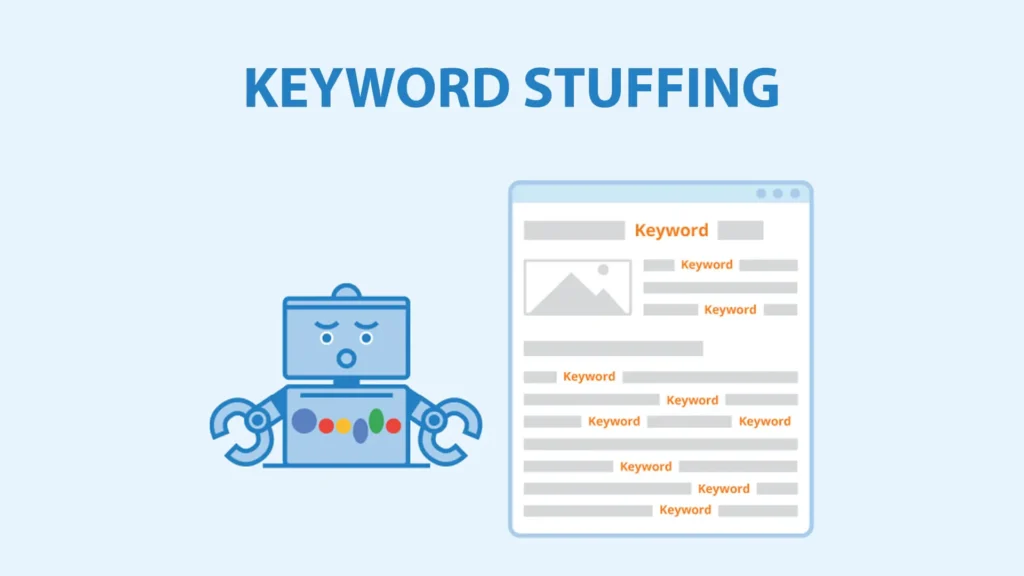
While including variations is important, avoid overusing keywords. Keyword stuffing not only hurts readability but can lead to ranking penalties. Focus on semantic richness instead—cover all relevant angles and related entities.
As Koray Tugberk Gubur’s framework suggests, write multiple interconnected posts to cover a topic fully rather than squeezing every variation into one article.
Enhancing Authority and Brand Trust
Use citations and data
Support your statements with data from credible sources. For example, referencing Smart Insights’ figure that more than half the world uses social media and spends over two hours per day on it strengthens your argument. Similarly, citing OnlySocial’s explanation that content pillars bring consistency, planning efficiency, and engagement adds authority when discussing content strategy.
External and internal linking
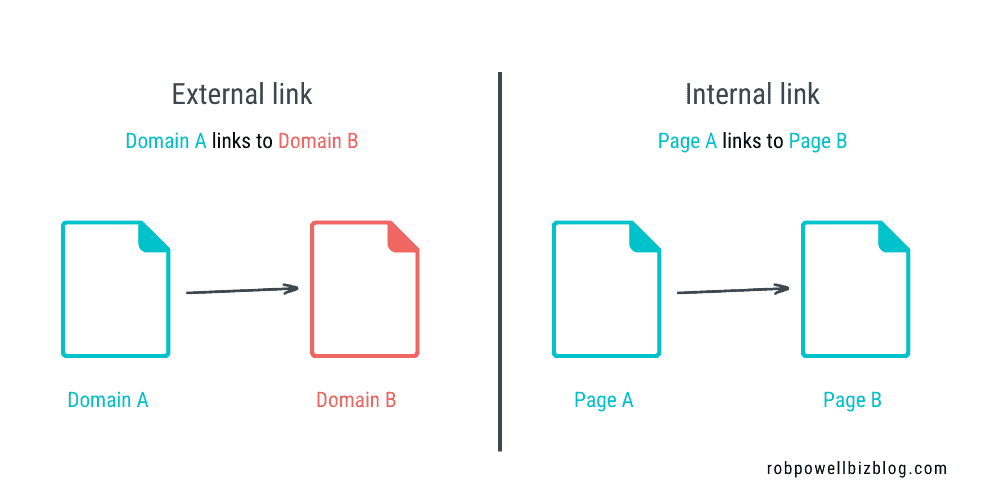
Link to authoritative external sources to show you’ve done your homework. When linking internally, guide readers to related articles in your content cluster. For example, if you mention “keyword research,” link to your dedicated keyword research guide. This keeps readers on your site longer and signals to search engines that your site has depth.
Stories, case studies, and user-generated content
People remember stories more than facts. Share examples of clients or projects that illustrate your strategies.
For instance, highlight a small business that increased traffic after building a content pillar strategy, or discuss how brands like Poppi use four content pillars: user-generated content, product sightings, memes tied to trends, and seasonal posts to maintain a playful yet cohesive social feed. Real-world examples help readers picture success and trust your advice.
Encouraging engagement
Blogs shouldn’t be one-way monologues. Invite readers to comment, share, or ask questions. Encourage them to subscribe to your newsletter or follow you on social platforms for more updates. Consider adding polls or interactive elements. Engaged readers not only return but also provide feedback that can guide future content.
On-Page SEO Optimization

Title Tags, Meta Descriptions, URL Structure
We touched on these earlier, but they deserve emphasis. Your title tag influences click-through rate; craft something compelling yet descriptive. Meta descriptions should entice searchers by summarizing the value of your post. Keep your URL structure simple (e.g., yourdomain.com/blog-writing-guide), and avoid auto-generated strings filled with numbers or parameters.
Structured Data
Adding structured data like Article schema or FAQ schema helps search engines understand your content. If you include an FAQ section (as we do later), wrap it in the FAQ schema to increase the chances of rich-result display. Tools like Google’s Structured Data Markup Helper can guide you.
Site Speed and Accessibility
No matter how well you write, readers will bounce if your page is slow or unreadable on mobile. Use tools like Google PageSpeed Insights to identify improvements. Compress images, enable caching, and choose a responsive theme. Ensure text has sufficient contrast against backgrounds and provide alt text for images and transcripts for videos.
Visual Design
Use typography and whitespace thoughtfully. Choose fonts that are easy to read and align with your brand. Avoid cluttered layouts—allow breathing room around text and images. Break up long passages with subheadings, bullets, and numbered lists. A visually appealing blog enhances both user experience and SEO.
Summary
You’ve learned how to conduct research, plan your content with clear headings, write engaging copy, and optimize for both humans and algorithms. Remember to mix evergreen and timely content, use synonyms and related terms naturally, support your claims with data, and pay attention to technical SEO elements like schema and site speed. All of these details combine to create blog posts that not only rank but also resonate.
Distribution, Measurement, and Evolution of Your Blog Strategy
Distributing your blog content
Writing a great post is only half the battle. To grow your audience and authority, you need a distribution plan.
Social Media Integration and Repurposing
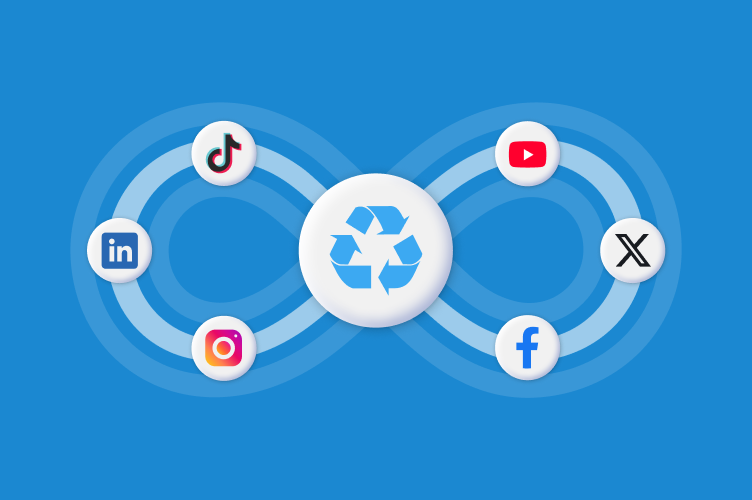
Cross-posting your blog content to social platforms helps you reach the billions of users who spend hours on social media every day. But sharing a link alone is not enough. Tailor your content to fit each platform and the behavior of the people who use it.
Here are smart ways to repurpose blog content across channels:
- Micro-content: Pull out compelling statistics, quotes, or short tips from your blog and turn them into bite-sized graphics or quick videos. These perform well on Instagram Stories, LinkedIn posts, YouTube Shorts, and TikTok snippets.
- Carousels and threads: Turn your key points into a carousel for Instagram or LinkedIn, or a multi-post thread on X. These formats encourage users to scroll, save, and share while funneling them to the full article.
- Live discussions: Host Instagram Lives, LinkedIn Lives, or X Spaces where you walk through your blog topic and answer questions. This positions you as an authority while driving viewers back to your blog for deeper information.
- Communities and groups: Share your content inside relevant Facebook groups, Slack channels, Discord servers, or professional forums. Add context to your post rather than just dropping a link. Communities reward contribution, not spam.
Private communities and niche platforms are growing fast. Users want smaller, purpose-driven spaces instead of crowded public feeds. Sharing your content in these focused pockets often leads to higher engagement and better conversations than broadcasting to a generic audience.
Email Marketing and Newsletters

Email remains one of the highest ROI channels for distributing your blog content and nurturing your audience. Build an email list by offering downloadable resources, checklists, or exclusive content. Use your blog posts as anchor content for newsletters, summarizing the article and linking back to the full post.
Segment your list based on interests. Someone who signs up for SEO tips will appreciate different content than someone interested in branding or storytelling. Personalized emails consistently increase open rates and click rates, making segmentation an essential part of your strategy.
Collaborations, Partnerships, and Guest Posts
Collaborating with other creators and brands helps you reach new audiences. Guest posting on reputable websites not only exposes you to more readers but also earns backlinks, which strengthen your authority in search engines.
You can also interview experts, invite thought leaders to contribute short sections to your blog, or collaborate on joint content pieces. When choosing partners, make sure their values align with yours and that their audience overlaps with your ideal reader.
Repurposing Content into Other Formats
One blog post can power many different content formats and channels.
• Podcasts: Turn the blog into an episode by discussing the main ideas and adding personal commentary.
• Webinars: Use the blog as your outline for a workshop or live session. This helps with audience engagement and lead generation.
• Infographics: Convert long or complex sections into visual explanations.
• E-books: Combine related blog posts into a comprehensive, downloadable guide to grow your email list.
Repurposing ensures that your ideas reach people who prefer reading, listening, or visual learning. It also saves you hours of content creation time.
Measuring Success and Iterating

Key Performance Indicators (KPIs)
To know if your blog strategy is working, track the metrics that matter most. Inspired by SocialPilot’s guidance on linking goals to KPIs, consider the following:
• Traffic and unique visitors: overall page views, sessions, and users.
• Engagement metrics: average time on page, scroll depth, comments, shares.
• Conversion metrics: newsletter sign-ups, downloads, product purchases, or inquiries from blog posts.
• SEO indicators: organic traffic, keyword rankings, impressions, and click through rates on Google Search.
• Referral traffic: visitors coming from social media, email campaigns, or guest posts.
Set benchmarks using your current performance, then create targets tied to business goals. For example, increase organic traffic by 30 percent within six months or generate 100 qualified leads per quarter.
Tools for Analysis
Use analytics platforms such as Google Analytics, Matomo, or Adobe Analytics to measure traffic and engagement. Heatmapping tools like Hotjar and Crazy Egg show how readers behave on your pages. SEO platforms such as Google Search Console, Ahrefs, or Semrush help you track keyword rankings and backlink growth.
If you are on a tight budget, free tools such as Google Search Console and built in social media insights still provide valuable data.
Interpreting Data and Refining Content Pillars
Data only matters if you use it. Identify which content performs well and which does not. If posts related to content pillars consistently get more engagement or longer reading times, expand that cluster.
If users drop off early in long articles, break up the text with visuals or simplify the structure. Use feedback from comments, social media conversations, and email replies to adjust your tone, pacing, and future content topics.
Future Trends Shaping Blog Writing in 2025 and Beyond
AI-Generated Content and Human Oversight
AI will continue to influence content production. It can draft outlines and suggest headlines, but human writers provide the nuance, creativity, and voice readers connect with. Expect more tools that identify AI-written content and more emphasis on transparent authorship. Readers appreciate honest content that reflects real expertise.
Voice Search, Multimodal Experiences, and Zero Click SERP

With smart speakers and voice assistants becoming more common, search queries are becoming more conversational. Blogs optimized for voice search use natural language, question and answer structures, and short summaries.
Zero-click results will continue to grow, meaning Google will surface answers directly on the results page. To stay visible, aim to provide the clearest and most direct explanation of key questions.
Purpose Driven Content and Authenticity
The 2025 SocialInsider report shows a rise in purpose-driven marketing and a push for authenticity. Readers want brands that stand for something meaningful. Integrate values like sustainability, inclusion, or community support into your content when relevant.
Authentic stories, behind-the-scenes insights, and transparent communication help differentiate your brand.
Emerging Platforms and Decentralization
Platforms like Bluesky and Threads are expanding quickly. Bluesky grew from 13 million users in October to 26 million in early 2025. These platforms prioritize community, transparency, and user control.
Stay open to distributing your content in new spaces, especially as audiences begin to diversify beyond the traditional major platforms.
Sustainability and Digital Wellbeing
Digital burnout is rising. People appreciate content that respects their attention and adds value to their lives. Focus on quality over quantity. Offer audio versions of long posts for readers who prefer to listen during commutes or workouts.
Building Long-Term Authority
Continuous Learning and Updating
SEO changes fast. Keep learning by reading industry blogs, attending workshops, and joining communities. Update your content frequently, especially statistics such as the number of social media users or emerging search trends.
Updated content signals freshness to both readers and search engines.
Building a Community

Authority comes from connection. Engage with your readers in comments, email newsletters, and social channels. Feature user-generated content when available. Celebrate readers who implement your strategies and share success stories.
Ethics, Transparency, and Trust
Trust is the foundation of authority. Be transparent about affiliate links, sponsorships, and collaborations. Avoid clickbait and misleading claims. Reliable content attracts loyal audiences and long-term credibility.
Conclusion
Blogging continues to evolve. By following the Koray Tugberk Gubur framework, focusing on semantic SEO, showing E E A T, and integrating your blog with social media and email, you can create content that ranks, engages, and grows your authority.
Stay adaptable, stay curious, and treat your blog as an ongoing conversation with the people you serve.
FAQs
1. What makes a blog post “SEO-friendly” in 2025?
An SEO-friendly blog post addresses search intent, uses a clear heading structure (H1–H4), incorporates related terms naturally, and provides a comprehensive answer. It also optimizes on-page elements like title tags, meta descriptions, and alt text. Building topical clusters and linking between related posts strengthens relevance. See the sections on semantic SEO and the Koray Tugberk Gubur framework for more details.
2. How long should my blog posts be?
Length should be dictated by topic depth and user intent rather than a fixed word count. Comprehensive guides (like this one) can exceed 4,000 words, while how-to articles might be 800–1,500 words. What matters is that you thoroughly cover the subject and answer related questions. Data suggests that longer, well-structured posts tend to rank better, but brevity is key for highly specific queries.
3. How often should I publish new blog posts?
Consistency is more important than sheer frequency. Aim for a schedule you can maintain, whether that’s weekly, bi-weekly, or monthly. Use content pillars to ensure variety and avoid burnout. Quality should always trump quantity; a well-researched post will deliver more value than several rushed ones.
4. Do I need to update old blog posts?
Yes. Updating posts with fresh data (such as the percentage of global social media users or emerging trends) and improving structure can boost your rankings and provide a better user experience. Add new sections, refresh links, and ensure that statistics are current. Use analytics to identify posts with high traffic or rankings and prioritize their updates.
5. How can I find topics that will drive traffic?
Start with keyword research tools to identify popular queries. Then expand into semantic clusters by brainstorming related questions, analyzing “People also ask” results, and reviewing competitor content. Address the gaps you discover and create a cluster of articles around a pillar topic. Use your audience personas to tailor these topics to real interests and pain points.
6. What role do content pillars play in blogging?
Content pillars are core themes that organize your posts. They help maintain a consistent brand voice, streamline planning, and boost engagement. When applied to blogging, pillars ensure that each piece of content aligns with your brand goals and audience needs. They also simplify distribution and repurposing across channels.
7. Should I use AI to write my blog posts?
AI can assist with research, ideation, and even drafting, but it shouldn’t replace your unique voice and expertise. Use AI tools ethically: fact-check outputs, add personal insights, and ensure authenticity. In a world increasingly filled with AI-generated content, human originality will stand out.
8. How do I measure the success of my blog?
Track metrics that align with your goals: organic traffic, engagement (time on page, comments), conversions (sign-ups, sales), and SEO performance (rankings, impressions). Use tools like Google Analytics, Search Console, and heatmaps. Regularly review these metrics and adjust your strategy accordingly.
9. What are the biggest blogging trends for 2025?
Key trends include purpose-driven content, authenticity, AI-assisted creation, optimization for voice search and zero-click results, and distribution across emerging platforms like Bluesky and Threads. Sustainability and digital well-being are also gaining importance, so expect readers to prefer content that respects their time and aligns with their values.
10. How do blogs complement social media marketing?
Blogs and social media work hand in hand. Social platforms offer discoverability and quick engagement, while blogs provide depth and longevity. You can repurpose blog content into social micro-content and use social channels to drive traffic back to your blog. Given the billions of social media users and their influence on brand discovery, combining both channels ensures a holistic strategy.