
Why Podcast Show Notes Matter & How to Write Them Effectively
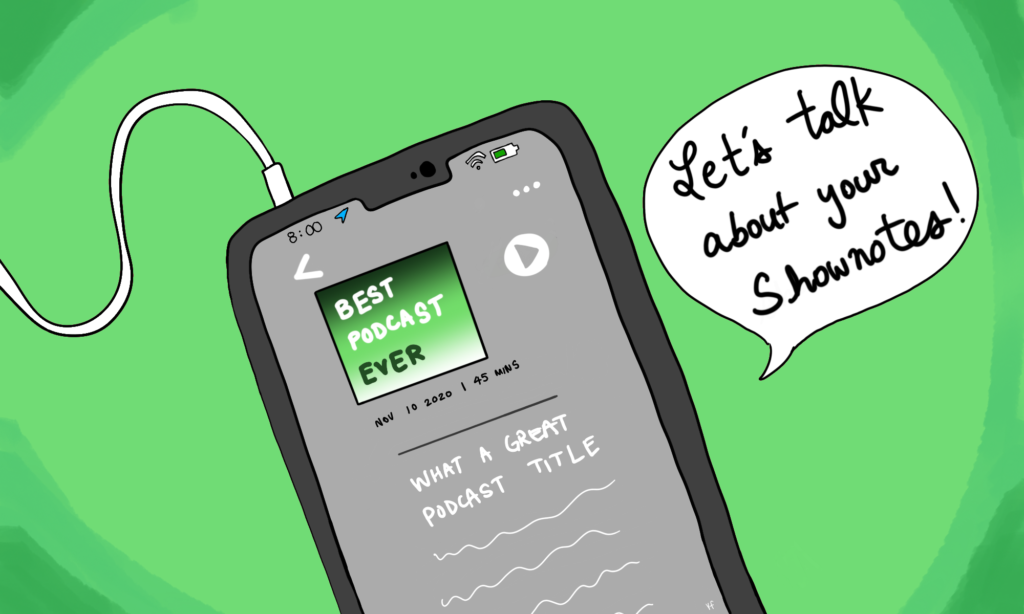
What Are Podcast Show Notes?
Show notes are written descriptions of your podcast episodes that provide context, key takeaways, and additional resources for your audience.
What They Include:

- Episode summary
- Key points and topics discussed
- Guest bios and links
- Resources mentioned
- Calls to action (subscribe, review, share, etc.)
Why Podcast Show Notes Matter
- Improves SEO and Discoverability: Search engines index show notes, helping new listeners find your podcast. According to Backlinko’s 2025 Podcast Statistics Report, podcasts with detailed show notes and transcripts are 33% more likely to appear in search results than those without.
- Enhances Listener Experience: Show notes give listeners easy access to resources, links, and key episode highlights.
- Encourages Audience Engagement: Detailed notes encourage listeners to take action, whether it’s subscribing, sharing, or visiting your website.
- Provides Accessibility: Listeners who prefer reading or have hearing impairments benefit from well-written show notes and transcripts.
How to Write Effective Podcast Show Notes
Start with a Compelling Summary

Tell a first-time visitor what this episode is about and why it matters, in one tight paragraph.
How:
- Lead with the core problem or promise.
- Name the guest and topic in the first sentence.
- Tease the transformation or outcomes without spoiling everything.
- Keep it to 2–4 sentences.
Template: “In this episode, [Host] sits down with [Guest, role] to unpack [main topic]. You’ll learn [result 1], [result 2], and [result 3] so you can [benefit]. If you want [audience goal], this one is for you.”
Example: “In this episode, JL talks with growth marketer Dana Lee about turning cold audiences into repeat buyers. You’ll learn a simple 3-email sequence, how to fix weak CTAs, and what metrics to track each week. If you want cleaner funnels that actually convert, start here.”
Use Bullet Points for Key Takeaways
Make skimmers happy and help search engines understand the content.
How:
- Use 3–7 bullets.
- Write in outcomes, not vague topics.
- Start each bullet with a strong verb.
- Keep bullets to one line when possible.
Bad: “Email marketing, CTAs, metrics”
Better:
- Build a 3-email cold-to-warm sequence in under 30 minutes
- Write CTAs that increase clicks without discounts
- Track opens, clicks, and reply rates the right way
Tip: If a takeaway is longer than one line, it is probably a subtopic, not a takeaway.
Include Guest Information

Establish credibility and give listeners quick context.
How:
- One-sentence bio with authority and relevance.
- Link to website and one primary social profile.
- Add one “why this guest” line if it strengthens trust.
Template:
- Guest: Dana Lee, Growth Marketer at AcmeCo.
- Why Dana: Scaled email revenue 4x in 12 months for B2C brands.
- Links: [Website], [LinkedIn]
Tip: Avoid resume dumps. One tight credential beats five generic ones.
Add Relevant Links and Resources

Help listeners act on what they heard and boost SEO.
How:
- List resources in the order they were mentioned.
- Use clear anchors so readers know what each link is.
- Include your internal links first, then external.
- If you reference data or a tool, link it.
Example layout:
Resources Mentioned:
- AcmeCo’s CTA Swipe File (PDF)
- Spark email editor
- Case study: 3-email win-back flow (blog)
- Dana’s newsletter
Tip: If a link helps the listener do something faster, include it. If it is just “nice to have,” skip it.
Include a Call to Action

Tell the listener the next best step. One episode, one main CTA.
How:
- Pick one primary action aligned with the episode’s topic.
- Use a benefit-driven line plus a direct link.
- Add a secondary soft CTA if needed.
Primary CTA examples:
- “Get the free 3-email sequence template”
- “Book a 15-minute strategy call”
- “Join the newsletter for weekly teardown examples.”
Copy block example: Enjoyed this episode? Get the free 3-email sequence template and start sending by tomorrow: [Download the template]
Tip: Put the CTA above the fold in the show notes and repeat it at the end.
Best Practices for Show Notes Formatting
Plan.io
Keep Paragraphs Short
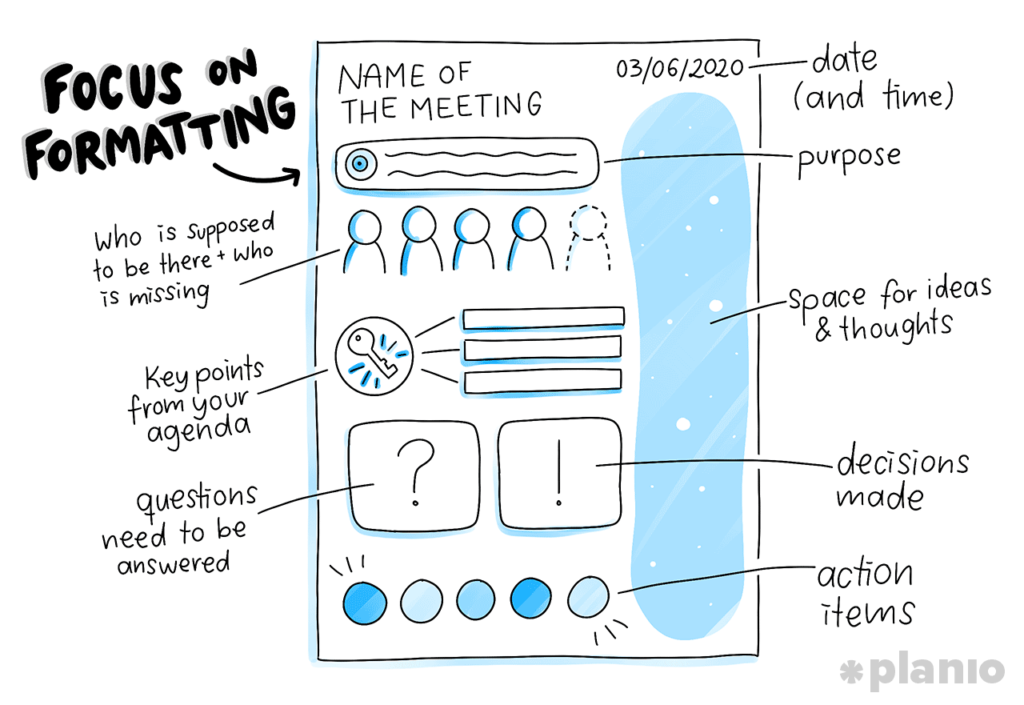
Short paragraphs make your show notes easier to read on both desktop and mobile. Large text blocks can overwhelm readers, especially when they’re scanning for specific information. Aim for 2–3 sentences per paragraph. Use bullet points whenever possible to highlight main ideas, resources, or quotes. This not only improves readability but also encourages visitors to stay on your page longer, which can help with SEO.
Use Headings and Subheadings
Headings and subheadings help organize your content so readers can quickly find what they need. They act like signposts, guiding the audience through your episode highlights, resources, and guest details.
When formatting, use H2s for main sections (like “Episode Summary” or “Key Takeaways”) and H3s for smaller points within those sections. Clear formatting improves user experience and helps search engines understand your content structure.
Add Timestamps (Optional)
Timestamps make your show notes more interactive. They allow listeners to skip to specific moments in your episode, like when a guest shares a major insight or a new topic begins.
Include timestamps next to key discussion points, for example:
- [03:25] Introduction and guest background
- [10:42] Key strategy discussion
- [25:10] Audience Q&A segment
Adding timestamps improves accessibility, user satisfaction, and encourages replay value — all of which can help boost listener retention.
Include Keywords
Search engines crawl your show notes to understand what your episode is about. Using relevant keywords naturally throughout your text helps increase visibility in search results.
Focus on terms your audience might use when searching for your topic (for example, “podcast marketing tips” or “how to grow a podcast audience”).
Avoid overusing the same words. Instead, include natural variations and phrases that sound authentic in conversation. Good keyword placement strengthens your SEO while keeping your writing smooth and engaging.
Common Show Notes Mistakes to Avoid
- Writing Vague Summaries: Be specific and clear about the episode content.
- Ignoring SEO: Include relevant keywords and episode titles to improve search visibility.
- Forgetting Links: Always link to guest profiles, resources, and your website.
- Skipping Calls to Action: Prompt listeners to engage further with your content.
Ready to Improve Your Podcast Show Notes?
Show notes are a powerful tool for growing your podcast audience and providing value to your listeners. By writing clear, engaging, and SEO-friendly notes, you can enhance your podcast’s reach and listener experience.
At Social Peak Media, we help podcasters with everything from writing compelling show notes and crafting SEO strategies to designing promotional assets that grow your audience.
Want to make your podcast stand out?